Knowing How to Pre-Germinate Vegetable Seeds Is Useful If You Want To Give Seeds A Head Start In 5 Easy Steps.
Table of Contents
In this article I explain why vegetable seed pre-germination is useful and how to pre-germinate various seed types. Though I specifically mention veg the technique for flower seeds is exactly the same.
Why Pre-Germinate Vegetable Seeds?
Pre-germinating vegetable seeds is a useful gardening technique for the following reasons.
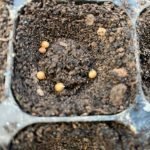
Fenugreek seed
Better Germination: It’s a great way to boost the chances of your seeds germinating, especially if they’re a bit old or of lower quality.
Faster Growth: Pre-germinated seeds often take off quicker once they’re planted, leading to better crop establishment and earlier harvests.
Timing is Everything: You can sow your seed at the perfect time for your conditions.
Pest Protection: Germinating seeds indoors keeps them safe from pests, diseases and harsh weather outside.
Precision Planting: You can space your seedlings out properly, giving them enough room to grow without fighting for resources.
Limitations of Pre-Germinating Vegetable Seeds
While pre-germinating vegetable seeds can offer several advantages, it’s important to consider the following limitations:
Seed Size
Small Seed: Very small seed, such as celery seed (approx 17000 seeds per gram), are not a practical proposition if the intention is to handle each seed by hand. I used to germinate celery seed and produce seedlings for transplanting into modules but they are too small to handle as germinating seeds.
Environmental Factors
Temperature Sensitivity: Germinated seeds are more susceptible to temperature fluctuations. If the temperature drops too low, the seedlings may die.
Humidity Needs: Maintaining optimal humidity levels is crucial for germinated seeds. If the humidity is too low,the seedlings may dry out.
Light Sensitivity: Some seedlings are sensitive to light during the early stages of growth. Improper exposure to light can stunt their development or cause them to become leggy.
Seed Viability and Germination Rates
Seed Quality: The quality of the seeds themselves plays a significant role in germination success. Old or damaged seeds may not germinate, even when pre-germinated.
Germination Rates: Pre-germination doesn’t guarantee a higher germination rate. Some seeds may still fail to germinate, even after attempting pre-germination.
Time and Effort:
Monitoring: Pre-germinated seeds require constant monitoring to ensure they remain healthy and hydrated. This can be time-consuming, especially for large quantities of seeds.
Handling: Germinated seedlings are delicate and can be easily damaged during handling and transplanting.
Cost:
This really only applies to pre-germinating a lot of seed using specialist equipment. But it is worth mentioning.
Equipment: Depending on the scale of pre-germination, you may need to invest in specialized equipment, such as germination trays, humidity domes, and heat mats.
In conclusion, while pre-germinating vegetable seeds can be beneficial in certain situations, it’s important to weigh the potential advantages against the limitations and consider your specific needs and resources.
How to Pre-Germinate Vegetable Seeds
1. Soak the Seeds:
Give your seeds a good soaking in water for 1-2 hours (larger seeds like peas might need a longer soak).
2. Prepare the Paper Towel:
Take a damp (not dripping wet) paper towel. Lay out your soaked seeds on it, making sure they are not too close together.
3. Seal the Seeds:
Cover the seeds with plastic or place the paper towel in a plastic bag, or preferably a plastic box, to keep them moist. Just make sure there’s some air circulation to prevent mould.
4. Find a Warm Spot:
Place the bag or box somewhere warm. In a few days, you should see those little roots starting to appear.
5. Plant Your Sprouted Seeds:
Once the roots are showing, carefully plant your sprouted seeds into soil or containers.
A Few Tips:
This method is especially handy for avoiding planting duds, particularly with older seeds.
Label your bags to track different seed varieties.
You can even pre-germinate seeds any month if the year.
Pre-Germinated Seed Sowing Process
Sow seed as soon as the roots start to show. Don’t wait even a few hours as they will soon elongate and can snap if badly handled. One way that commercial growers tried in the70s was to mix the seed in a paste (gardeners used wall paper paste) and “inject” the paste and seed into the soil.
In gardens this can be done by mixing the wall paper paste and seeds together in a sealed plastic bag and squirting it out through a small hole ;; a bit like squirting tooth paste out of the tube. Commercial growers used peristaltic pumps. Commercially this was experimented with for years but never really caught on. Maybe it’ll come back on day as it has some merits.
Happy gardening, and may your pre-germinated seeds flourish! 🌱