How Different Was The 1930s Garden? Little Mechanisation, No F1 Varieties, No Modern Day Chemicals; So What Happened In the 1930s Vegetable Garden in August?
Table of Contents
I enjoy reading old seed catalogues and gardening books. They can teach us so much about how gardeners use to feed their families. And though things have moved on a bit since the 1930s, there are ideas and varieties in this article that can teach us a thing or two now.
The 1930s fruit and veg garden was one of abundance. Of course in small gardens there was no low cost mechanisation such as strimmers, hedge cutters, rotavators etc, and none of the synthetic chemicals and fertilisers we see today. Gardeners were highly skilled in the art of fruit and veg growing. Remember in those days we had no supermarkets and garden centres were a rarity. They were more plant centres than garden centres and usually only sold ornamental plants.
Get this high resolution infographic at https://www.patreon.com/BiteSizedGardening/posts/1930s-garden-in-165563117?utm_medium=clipboard_copy&utm_source=copyLink&utm_campaign=postshare_creator&utm_content=join_link
In the following article I delve in to what the 1930s gardener was doing in his or her garden. In many cases I mention what were then common varieties and include the date when they first came on the market. These were mainly well established heritage varieties that were often local to, or originated from, a specific area, sometimes as local as a village.
NB. I’m not recommending any of the following practices, BUT I do suggest you read and reflect upon them, as they can teach us a lot.
Vegetable Garden Tasks for August (1930s Style)
Harvesting
Potatoes: Lift maincrop varieties like ‘Majestic’ (introduced 1911) or ‘King Edward’ (1902) on a dry day. Store in hessian sacks in a dark, cool shed.
Beans: Pick ‘Scarlet Emperor’ runner beans daily to prevent stringiness; shell ‘Dwarf French Bean’ (e.g., ‘Ne Plus Ultra’, a pre-1900 variety) for drying.
Root Crops: Pull ‘Long Surrey’ carrots and ‘Cheltenham Green Top’ beetroot—twist off foliage (don’t cut) to preserve freshness.
Cabbages& Caulis: Harvest ‘Autumn Giant’ caulis & ‘Winningstadt’ cabbage (hardy varieties from the 1800s).
Sowing & Planting
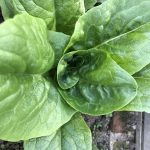
Spinach: Sow ‘Monstrous Viroflay’ (pre-1866) for winter leaves.
Turnips: ‘Green Globe’ (a 1700s variety) for autumn greens.
Spring Cabbage: Sow ‘Harbinger’ (early 1900s) by mid-August; transplant in September.
Plant Winter Cabbage‘January King’ (1857) is actually a winter cabbage—best harvested November onwards, but August is time to transplant seedlings sown in June.
Lettuce: ‘Winter Density’ (a 19th-century cos/butterhead cross) thrives sown now under cloches. I still grow this variety.
Maintenance
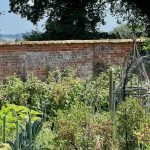
Gardening in the soil, as practiced in cottage gardens, allotments, market gardens and small holdings for years.
Leeks: Earth up ‘Musselburgh’ (1850s) with soil to blanch stems. I still grow Musselburgh and did when I had my market garden. We grew approx 100,000 a year and they went into commission markets and restaurants, with the surplus going to supermarkets.
Celery: Tie ‘Solid White’ (a trenching variety) with brown paper for blanching. This always amazes me. I grew hundreds of thousands of celery on my market garden and was so pleased that the self blanching type didn’t need brown paper! My favourite variety was, and still is, Lathams Self Blanching.
Liquid Feed: Use soot water (steep chimney soot in a sack) or diluted cow dung for marrows. I don’t recommend using soot now as there is a carcinogen risk.
Pests
Caterpillars: Hand-pick; dust with Derris powder (from 1911; toxic—wear a cloth mask). Derris is now BANNED!
Slugs: Metaldehyde pellets existed in the 1930s, but ash or sharp sand were traditional. They didn’t work very well and the gardening magazines were full of slug question and answers. A bit like today.
Fruit Garden Tasks for August (1930s Style)
Harvesting
Apples: Early varieties like ‘Worcester Pearmain’ (1874) and ‘Beauty of Bath’ (1864).