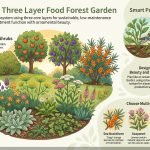
What Can Be Planted In A Food Forest At 500m In England That Include Biomass Producers, Nutrient Fixers, And Resilient Ground Cover. This Combined Selection Focuses On Hardy?
Table of Contents
This is a question I was recently posed. The questioner already had 16,00 trees across three acres at 500m, and now wanted to convert the area into a food forest focusing on hardy, British-appropriate perennials that meet their criteria for food, medicine, or nitrogen fixation. They wanted a patch of plants that woiuld be harmonious with their lifestyle.
I explained to them that to support 1,600 trees across three acres at an elevation of 500m, their “patch of harmony” required a strategic mix of biomass producers, nutrient fixers, and resilient ground cover. My recommendation, below, focuses on hardy, British-appropriate perennials that meet their criteria for food, medicine, or nitrogen fixation.
Of course this is only one potential answer. The PFAS have over 8,000 plants on their database and, though some don’t fit these specific criteria, there are many options. Not least because defining a British plant is difficult when so few survived the last ice age, leaving many that could be defined as interlopers. So bear with me when reading this answer!
1. The Heavyweights: Biomass & Structural Support
These species are excellent for filling large areas quickly and creating micro-climates for smaller plants.
Cardoons (Cynara cardunculus): Massive, silver-foliaged perennials that fill space and self-seed readily. They are excellent for suppressive ground cover. The stalks are edible when blanched, and the flowers are striking.
Jerusalem Artichoke (Helianthus tuberosus): Indestructible biomass producers. They reach 3m in height, acting as summer windbreaks. The tubers are a high-inulin food source and medicinal for gut health.
Hops (Humulus lupulus): A vigorous climber that can use your established trees as trellises. The young spring shoots are a gourmet delicacy (“hop asparagus”), and the flowers are a well-known sedative.
Siberian Pea Tree (Caragana arborescens): A top-tier nitrogen fixer for high altitudes. It is exceptionally cold-hardy and produces small edible seeds (must be cooked).
2. Nitrogen Fixers & “Chop and Drop” Species
To maintain the health of 1,600 trees, these plants act as a living fertiliser factory.
Sea Buckthorn (Hippophae rhamnoides): A powerhouse for high-UV, exposed sites. It fixes nitrogen and produces berries exceptionally high in Vitamin C.
Eleagnus x ebbingei (Silverberry): An evergreen nitrogen fixer. It produces edible (though tart) berries and provides year-round shelter for the soil.
Groundnut (Apios americana): A “weird” addition; it is a climbing legume that fixes nitrogen and produces strings of nutty, high-protein tubers.
3. The Perennial Alliums & Root Crops
These provide permanent food sources with minimal intervention.
Walking Onions & Welsh Onions: Essential perennial onions. Walking onions (Allium × proliferum) are particularly “weird,” as they grow bulbs at the top of the stalk which eventually tip over to “walk” and replant themselves.
Mashua (Tropaeolum tuberosum): An Andean climbing tuber that loves altitude. It is peppery when raw and aniseed-flavoured when roasted. It is also a natural pest repellent.
Skirret (Sium sisarum): A forgotten Tudor root vegetable that produces clusters of sweet, white roots. It is a hardy, moisture-loving perennial.
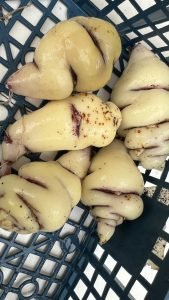
Oca (Oxalis tuberosa): Vibrant, tangy tubers that can overwinter if mulched. The leaves have a pleasant lemony zest.
4. Edible Ground Cover & “Weird” Greens
These replace the need for weeding by carpeting the forest floor.
Nepalese Raspberry (Rubus nepalensis): A low-growing, evergreen creeper that forms a dense mat with sharp, pleasant fruits.
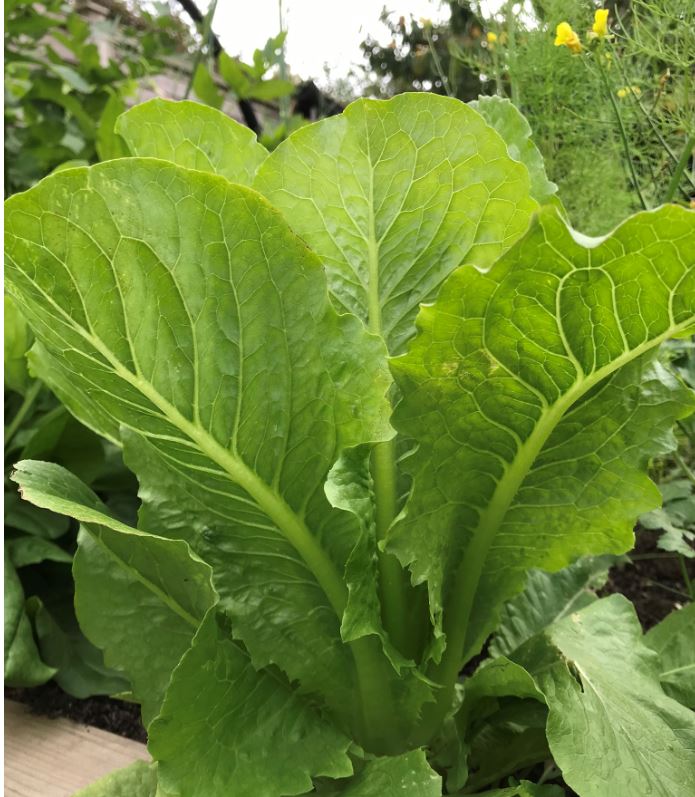
Turkish Rocket (Bunias orientalis): A highly productive perennial. The young flowering heads are like spicy broccoli. It is deep-rooted and drought-tolerant.
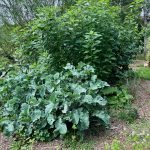
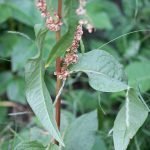
Good King Henry (Blitum bonus-henricus): An ancient perennial spinach substitute. Very resilient and traditional to British forest gardening.
Sweet Cicely (Myrrhis odorata): Aniseed-flavoured and acts as a natural sweetener. It is a hardy perennial that thrives in partial shade.
Elecampane (Inula helenium): A tall, striking plant. The root is a traditional respiratory medicine, and its deep roots mine minerals as a “dynamic accumulator.”
Marshmallow (Althea officinalis): Beyond its medicinal roots for soothing inflammation, the flowers and leaves are edible and the plant is very hardy in full sun.
Implementation Advice for 3 Acres
Strategy
Action
Wind Protection
Plant your Sea Buckthorn and Jerusalem Artichokes on the windward side to protect the more delicate Mashua and Oca.
Nutrient Cycling
Use the massive leaves of Cardoons and Artichokes as “chop and drop” mulch around your 1,600 trees to retain moisture at altitude.
Zoning
Place the Walking Onions and Skirret in accessible “islands” so they aren’t lost under the 3-metre canopy of the taller species.