How To Prevent Soil Compaction In Garden & Allotment Soils
Knowing How To Prevent Soil Compaction & How To Correct Soil Compaction Is a Vital Gardening Skill. Learn More In This Article From a Retired Market Gardener & Farmer
Table of Contents
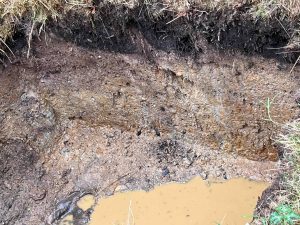
Soil compaction is a common problem in gardens and allotments that stunts the growth of plants for several reasons. It occurs when soil particles are compacted together too tightly. This reduces the amount of air and water that can reach plant roots. And without enough soil porosity there isn’t enough soil air and water. Then plants die. In this article I investigate How To Prevent Soil Compaction plus ways to remedy it if you already suffer from it.
This isn’t only a problem in veg gardens. It also happens in parks and gardens where the most common plants affected are trees. As people constantly picnic or walk on the grass around the trees the soil becomes compacted and air is excluded. \rainwater then struggles to percolate into the soil and the trees really suffer. For centuries this was poorly understood. The turning point was the great storm that hit southern England on October 15-16th 1987. Older people will remember it as the Michael Fish storm … and if you don’t understand this reference you are young and can Google it!
Many trees were uprooted during the storm and many had their roots loosened. Those that survived were then seen to do much better than ever and it was discovered that it was due to the compaction being relieved during the battering the trees endured. They rocked around so much that the soil was disturbed. I’ve written more about how this discovery is now utilised to de-compact the soil by air spading experts.
I digress. Back to veg gardens and how we can prevent soil compaction
How to Prevent Soil Compaction
Wet soils compact far easier than dry soils. So keep off of wet soils. More specifically …..
Reduce Foot Traffic:
Use raised beds or paths to minimise walking on soil at all. I much prefer paths to be wood chip as a good thick layer is drier to walk on and, as it decomposes, it feeds the nearby plants. It’s a natural product and if you top it up each year it will last almost forever.
Use a wide board to distribute your weight when walking on soil. We did this when planting lettuce in greenhouses. We called it boarding. A row of scaffold boards ran the length of the house and we worked from them. As we moved across the bays of the greenhouse we flipped the boards over to the next strip of the bay until we reached the end. Then we moved to the next bay. The result was a perfectly level surface which kept the lettuce cleaner and we hadn’t compacted the soil.
Avoid Heavy Machinery:
Use hand tools or lightweight machinery to avoid compacting the soil. Ideally don’t ever drive over the area where plants are going to be grown. On my market garden we used a bed system to grow outdoor crops. Beds consisted of the land between the tractor wheels when we drove across the field. This meant the land the tyres drove over wasn’t planted on. When we drove back we used one wheel mark from the last trip and formed a new bed. This was “leapfrogged” across the field until there was a field of parallel wheel marks with lettuce grown between each set of marks. Our mobile irrigation system use the same wheelings as did our “Bean Tractor” mechanical hoe. It was very efficient and avoided compaction in the growing zone.
Mulch:
Apply a layer of organic mulch, such as compost, straw, or wood chips, to protect the soil from heavy rain, irrigation and foot traffic. It’s almost impossible to add too much organic matter.
Plant Cover Crops and Green Manures:
Cover crops can help improve soil structure and prevent erosion.
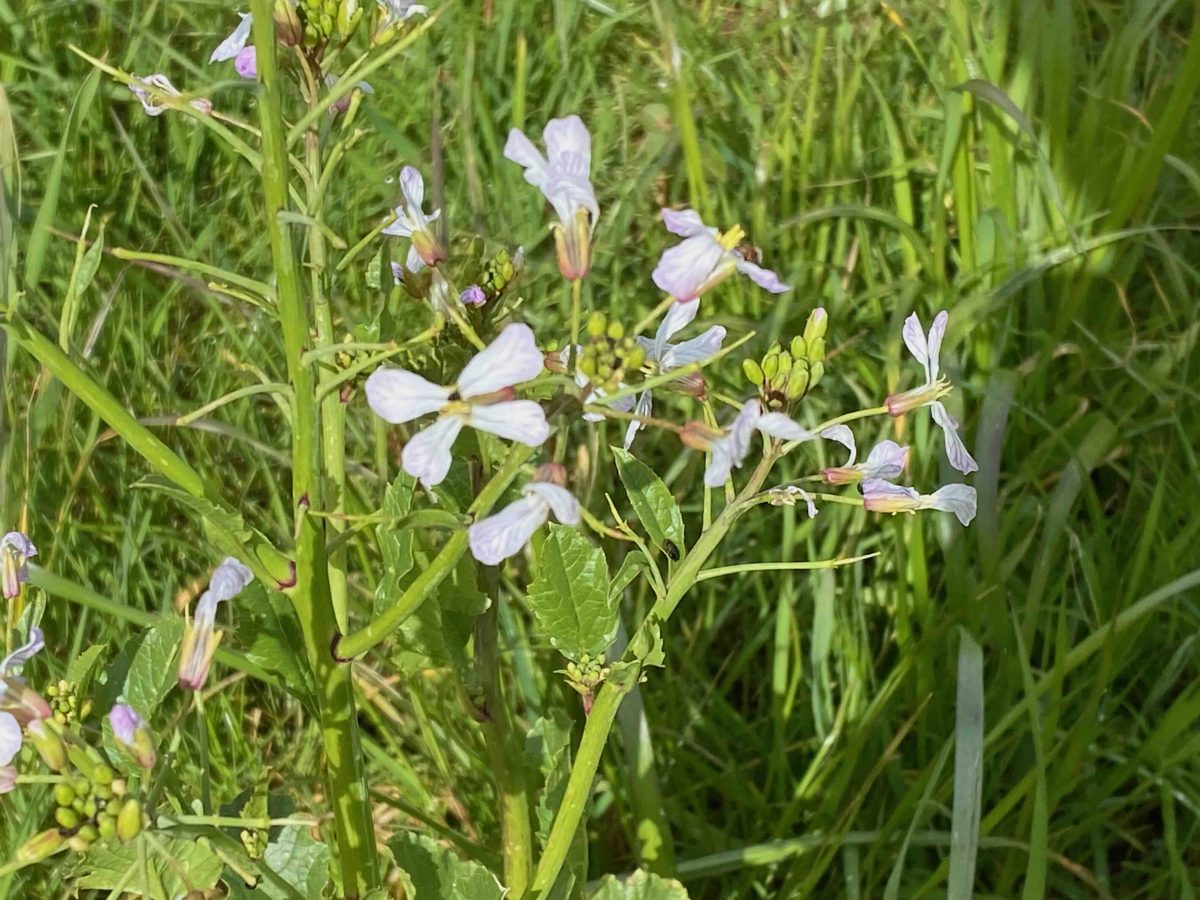
Grow green manures such as mooli or fodder radish as they will penetrate a foot or more into the soil where they break the soil pan (compacted layer). They will also leave a deep channel in the soil when they die and decompose. This channel will naturally fill with organic material etc and improve soil compaction.
Grow perennials:
Perennials mean we have plants with potentially a bigger root system penetrating th soil and hence improving drainage.
Perennials also mean we don’t cultivate so often and often don’t walk on the soil around the plant as much. both protect the soil from compaction.
Rotate Crops:
I’m not a great adherent of crop rotations but rotating crops can sometimes help to maintain soil health and reduce the risk of compaction.
TimeYour Work:
Avoid working on soil when it is too wet.
How To Correct Soil Compaction
Soil compaction and loss of soil structure means the plant roots can’t penetrate. The plant is then stunted and suffers when drought hits. We then see The Effects Of Drought On Plants?
If your soil is already compacted, you can take steps to improve its structure:
Aerate the Soil:
Use a garden fork or core aerator to create holes in the soil. This applies more to lawns than veg plots.
This will allow air and water to penetrate deeper into the soil.
Add Organic Matter:
Incorporate compost or well-rotted manure into the soil.
This will improve soil structure and drainage.
Avoid Overwatering:
Overwatering can lead to soil compaction. Especially if the water droplets are big, they batter bare soil and cause capping.
Water deeply and less frequently. Use a finer size water droplet.
By following these tips, you can help to prevent soil compaction and create a healthy growing environment for your plants.