Based On Historical Sources And Archaeological Evidence, The Edible Plants Consumed In The UK Over The Last 2,000 Years Reflect A Dynamic Interplay Between Native Species, Roman Introductions, Medieval Foraging Traditions, New World Imports, And Modern Revivals. Here Is A Comprehensive Overview, Organised Chronologically And By Plant Type Where I Can!
Table of Contents
This is just a rapid overview of the thousands of edible plants available to us today, though we tend to depend on just a handful. So I have tried to choose just a handful of significant historical or other interest. Feel free to suggest others that complement this article; regarding A Historical Perspective on Vegetables in the comments section below.
Native Plants (Pre-Roman to Present)
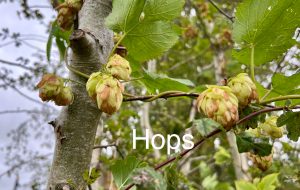
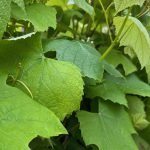
Alexanders, Smyrnium olusatrum, is now often foraged.
Leafy Greens & Herbs: Nettle (Urtica dioica), wild garlic/ramsons (Allium ursinum), sorrel (Rumex acetosa), watercress (Nasturtium officinale), chickweed (Stellaria media), and fat hen (Chenopodium album). These were foraged year-round and used in pottages, salads, and medicinal teas. Many of these are no longer consumed and I often see online posts asking what some of them are … “weeds” is the answer often given by many commentators!
Fruits & Berries: Blackberries (Rubus fruticosus), wild strawberries (Fragaria vesca), sloes (Prunus spinosa), elderberries (Sambucus nigra), bilberries (Vaccinium myrtillus), and rowan berries (cooked). Crabapples (Malus sylvestris) and wild plums were also consumed, though less common .
Nuts & Seeds: Hazelnuts (Corylus avellana), beech nuts (Fagus sylvatica), and acorns (leached to remove tannins). These were staples in autumn, often stored for winter .
Coastal Plants: Sea beet (Beta vulgaris subsp. maritima), rock samphire (Crithmum maritimum), and marsh samphire (Salicornia europaea), typically boiled or pickled .
Roman Introductions (43–410 CE)
The Romans expanded British diets with:
Vegetables: Cabbage, leeks, onions, turnips, and asparagus .
Herbs & Flavourings: Garlic, basil, thyme, Alexanders and walnuts .
Fruits: Grapes (for wine) and cultivated apples .
Techniques: Composting and forced cultivation (e.g., cucumbers grown in dung-heated pits) .
Medieval Additions (400–1485 CE)
New Luxuries: Sugar (introduced 1099) remained rare until the 18th century .
Forgotten Dishes:
Dock Pudding: Made from bistort (Persicaria bistorta), nettles, and oatmeal, fried in bacon fat. A spring tonic against scurvy apparently!
Carrageen Pudding: A seaweed-based dessert (Chondrus crispus) set with lemon and brandy, popular in coastal regions .
Monastic Cultivation: Apples, pears, and herbs like meadowsweet (Filipendula ulmaria) were grown in abbey gardens.
New World Imports (Tudor/Stuart Era, 1485–1714)
Vegetables: Potatoes (1570), tomatoes (1750), and maize .
Other: Chocolate, and coffee/tea (mid-17th century) .
Debated Origins: Cultivated carrots and peas—possibly native or Roman, but refined during this period .
Modern Era (1714–Present)
18th–19th Centuries: Broccoli (1700), tomatoes (widely eaten by 1750), and chocolate bars (1847) .
20th–21st Century Revival: Foraging resurgence focused on native species (e.g., wild garlic pesto, gorse flower syrup) and “orphan crops” like fat hen. Other wild foods include black mustard (Brassica nigra) and three-cornered leek (Allium triquetrum) .
A Historical Perspective on Vegetables: My Snapshot Conclusion
The dietary landscape of the UK over the past two millennia is evidence of continuous adaptation, cultural exchange, and innovation. From the reliance on wild-foraged native plants to the strategic introductions by the Romans, the expansion of monastic cultivation, and the revolutionary impact of New World imports, each era has left an indelible mark on what we Britons eat. In addition we have seen food trends based on the British Empire and immigration.
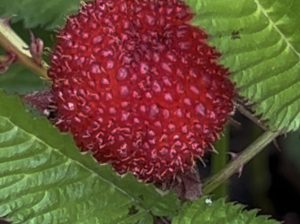
Japanese WineBerry
The modern era, while benefiting from globalised food systems, also shows a growing appreciation for the forgotten flavours and sustainable practices of the past. The journey of edible plants in the UK is far from over, with ongoing efforts to rediscover ancient and heritage varieties, embrace sustainable agriculture, and explore new culinary horizons, ensuring a dynamic and ever-evolving relationship with the plant kingdom. In a small way our own food forest is playing a part in new food discoveries here in East Devon.