Wood Avens, Geum urbanum, Grows Wild In Many UK Gardens & Can Replace Cloves In the Kitchen Or Medical Cabinet. It Contains Eugenol & Tastes Like Cloves.
Table of Contents
In the video below Marlo from Wild Food UK shows how to forage in your garden, focusing on a common plant called Wood Avens, Geum urbanum, (or Wood Haven). Despite the dry spring weather, Wood Avens are growing well in my own garden as they are in Marlo’s garden.
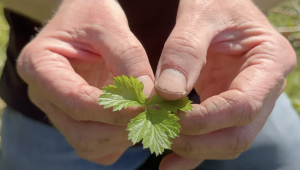
Wood Avens has leaves reminiscent strawberries. It is unique with its small yellow flowers and burr-like seeds. The whole plant is edible, especially the roots, which smell like cloves. This makes them a great, mild substitute for cloves in cooking – perfect for poached pears or mulled wine. Plus, they grow easily in gardens, unlike store-bought cloves that come from far away and have so many food miles.
The roots also have medicinal benefits, such as relieving toothaches, just like cloves.
Plus they are easy to store as when washed and dried the root keeps for ages, perhaps due to the eugenol in the roots. Eugenol, also known as clove oil, is a natural phenolic compound found in cloves, cinnamon, and other plants. It is used as a flavouring, antiseptic, and anaesthetic, with properties which seem to include antibacterial, anti-inflammatory, and antioxidant effects.
For those that prefer reading to watching videos here are some video highlights
Wood Avens Video Highlights
🌱 Wood Avens: This common garden plant, often considered a weed, has numerous culinary and medicinal uses.
🌼 Flavour Profile: Wood Aven roots contain eugenol, a compound found in cloves, making them a milder and more versatile flavouring agent for cooking.
🚫 A Sustainable Alternative: The roots of the Wood Aven are a free homegrown substitute for cloves compared to commercially sourced products, reducing carbon footprint.
🍐 Culinary Uses: Marlo shares practical uses such as enhancing poached pears and mulled wine using the plant’s roots.
💊 Medicinal Properties: The roots are claimed to serve as a natural remedy for toothache, mimicking the pain-relieving effects of cloves. But take medical advice before relying on the video.
🌍 Vast Growth: Wood Avens grow abundantly, even in urban settings, making it an accessible forage for anyone who gardens. It is certainly extremely common in my flowers and shrub beds in Devon. But rarer in the veg beds as it is less inclined to grow where we disturb the soil of harvest crops.
🔍 Foraging Awareness: Viewers are encouraged to understand and utilise this plant instead of uprooting it during flower bed weeding, promoting sustainable gardening practices.
Key Insights – Geum urbanum
🌱 Diverse Utilisation of Common Weeds: Many gardeners neglect or dislike weeding out common plants like Wood Haven, which can be transformed into valuable culinary and medicinal resources. By recognising the potential in these “weeds”, we can enrich our diets and better understand nature.
🌼 Sustainable Cooking Choices: Utilising Wood Aven roots as a substitute for cloves emphasises the importance of local sourcing for culinary ingredients. This sustainable practice not only lessens the ecological impact of food transport but enriches local biodiversity, supporting home gardening movements.
💡 Remedial Properties of Natural Ingredients: Marlo’s advice about the medicinal attributes of the Wood Aven roots points towards a broader trend of recognising the potential of nature in healthcare. The plant provides a natural solution for minor discomforts, underscoring the significance of exploring homegrown remedies before turning to pharmaceuticals. Certainly before we had access to Pharma products people depended on home remedies. I urge caution in their use but recognise it is an age old practice. The sad fact is we have lost so much knowledge of what works and what to be wary or. Hence my caution today. Know your plants before eating them or using them as a home produced medicine.
🎨 Creative Culinary Uses of Edible Weeds: The potential culinary applications of Wood Avens – from poaching pears to enhancing mulled wine—encourage adventurous cooking practices. Marlo’s suggestions showcase how intuitive usage of local flavors can elevate traditional recipes, blending creativity with sustainability.
🌍 Awareness vs. Action in Foraging: Marlo differentiates between harvesting from gardens and the legislation against wild foraging. This distinction is crucial; while many weeds can be harvested freely within private property, educating the public on where and how they can engage responsibly with their environment is beneficial for conservation efforts. We can’t and shouldn’t just harvest in the wild indiscriminately.
📚 Promoting Wild Food Culture: Marlo’s connection with Wild Food UK serves as an essential resource for individuals interested in foraging and culinary exploration. The promotion of wild food practices not only helps support local ecosystems but creates a community of engaged individuals who appreciate the nuances of food sourcing and culinary innovation. But it needn’t be wild food. If we understand plants we can harvest the “weeds” in our gardens. Of course once we harvest them they can no longer be called weeds, they become plants we want!
Enjoy the video and the “wild” plants you can harvest in your garden or allotment.