Sannamul (Literally “Mountain Herbs/Vegetables”) Refers To Wild Edible Plants Foraged From Korea’s Mountains, Fields, And Uncultivated Landscapes. These Include Greens, Roots, Shoots, And Ferns, Traditionally Gathered In Spring But Available Seasonally. They Are Not Farmed, Their Value Lies In Their Wild Origin, Distinct Flavours, And Connection To Nature.
Table of Contents
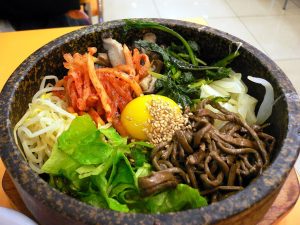
Korean Sannamul are similar to the Japanese Sansai. Both are uncultivated mountain plants, some of which can be grown in the UK. Their history is, in part, the history of the people. they are the foods that were consumed before agriculture and gardening commenced and they have persisted in their respective cultures since then. Indeed, in recent years, they have seen a resurgence with many of them now grown commercially and available in greengrocers and supermarkets. It perhaps deviates from the traditional wild gathering of the planets but illustrates how important they are to modern people.
With that in mind let’s look at the history of Sannamul.
Sannamul’s Historical Roots: Survival & Wisdom
Ancient Foraging Culture (Pre-Industrial Era):
- Sannamul sustained Koreans through harsh winters and famines. Foraging (“cogye“) was essential spring work, especially for women.
- Knowledge of edible vs. toxic plants was passed orally. Texts like the 17th-century “Sallim gyeongje” (Farm Management) documented wild plants.
Joseon Dynasty (1392–1910):
- Royal court cuisine elevated sannamul into refined dishes. Naengi (shepherd’s purse) soup symbolized spring in palace menus.
- Buddhist temple cuisine (“temple food“) used wild greens for their purity and medicinal properties.
20th Century Resilience:
- During Japanese occupation (1910–1945) and the Korean War (1950–1953), sannamul was a lifeline for survival.
- Post-war poverty made foraging a necessity, not a choice.
Cultural Significance: More Than Food
Seasonal Rituals:
- Spring foraging (“sanchoddeum”) marks renewal. Families gather dolnamul (stonecrop) or chwinamul (wild aster) for ancestral rites (jesa).
- Hansik (Korean Cold Food Festival) features sannamul-based dishes.
Symbolism:
- Resilience: Plants thriving in rocky soils embody perseverance (e.g., doraji bellflower root).
- Purity: Wild origins represent untainted nature – a contrast to polluted modern life.
Social Connection:
- Older Koreans share foraging spots as “secret maps” of trust.
- Markets buzz in spring with “sannamul ajummas” (foraging aunties) selling bundles.
Modern Interpretations: Tradition Meets Trend
High-End Cuisine:
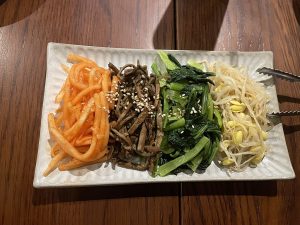
- Michelin-starred restaurants (Mingles, Joo Ok) use rare sannamul for seasonal tasting menus.
- Fine-dining twists: Gosari (bracken fern) foam, dolnamul ice cream.
Health & Wellness Movement:
- Sannamul is rebranded as “well-being food” – low-calorie, nutrient-dense, and chemical-free.
- Packaged “pre-washed sannamul” sells in supermarkets for urbanites. Even in Japan we find retail jumping on the wild food trends and offering sannmul that has actually been farm grown. Japanese supermarkets are full of this farm grown “wild” food! See below.
Culinary Innovation:
- Fusion dishes: Sannamul pesto, ssuk (mugwort) lattes, perilla seed yogurt.
- Home cooking: Younger generations rediscover recipes via YouTube channels like “Maangchi”.
Sustainability Debates:
- Over-foraging threatens wild populations (e.g., deodeok lanceolaria root).
- Cultivated alternatives: Farms now grow “wild-style” naengi or chwinamul to reduce pressure on ecosystems. In a sense this is good. But it is no longer wild grown so perhaps misses the point.
Safe Sannamul Staples in Modern Korea
Korean sannamul plants include plants we recognise here in the UK. In fact I grow some of these myself for eating. Eg. Shepherd’s Purse which grows wild in my garden, but which I also grow in containers in my greenhouse in winter.
| Latin Name | Korean Name | English Name | Modern Use |
|---|---|---|---|
| Capsella bursa-pastoris | Naengi | Shepherd’s Purse | Naengi-guk (soup), salads, Kimbap |
| Aster scaber | Chwinamul | Wild Aster | Stir-fried with soy sauce (chwinamul-muchim) |
| Sedum sarmentosum | Dolnamul | Stonecrop | Fresh salads with gochujang dressing |
| Artemisia princeps | Ssuk | Korean Mugwort | Rice cakes (ssuktteok), teas, desserts |
⚠️ Note: Bracken (gosari) remains popular but requires rigorous detox prep. Many chefs now substitute safer greens. My advice here is Don’t Eat Bracken at home!
Why Sannamul Still Matters
- Cultural Identity: A living link to Korea’s agrarian past and respect for nature. I would argue that we need to do more of this in the UK.
- Culinary Heritage: UNESCO-listed Kimjang (kimchi-making) uses sannamul like minari (water dropwort).
- Global Reach: Korean diaspora forage local equivalents (e.g., dandelions in the US, ramsons in the UK).
In One Sentence:
Sannamul is Korea’s edible landscape – a story of survival, seasonality, and soulful flavour, now reimagined for the 21st century.
For British gardeners: This tradition inspires growing safe substitutes like wild garlic (Allium ursinum) or perilla (Perilla frutescens) – bridging Korean mountains to UK soil.
Traditional Korean Sannamul (Safe Plants Only)
Sannamul (산나물) refers to wild mountain vegetables foraged in Korea. Many are listed above. So let’s think UK alternatives.
Part 2: UK Garden Adaptations
Grow these safe, flavourful substitutes in British gardens (they are hardy, (usually) non-invasive, and easy)
🌿 Key Sannamul-Style Plants for UK Growers
| Latin Name | Korean Name | English Name | UK Growing Tips |
|---|---|---|---|
| Allium ursinum | (Similar to Sanmaneul) | Wild Garlic | Site: Damp shade. Care: Bulb spreader – use pots! Harvest: Mar–May (leaves). |
| Perilla frutescens | Kkaennip | Perilla/Shiso | Site: Pots/sheltered spots (frost-tender). Care: Sow after last frost. Harvest: Jun–Sep. |
| Glebionis coronaria | Ssukgat | Chrysanthemum Greens | Site: Full sun, fertile soil. Care: Annual; sow Apr–Jun. Harvest: Young leaves (bitter if mature). |
| Agastache rugosa | (Similar to Banga) | Korean Mint | Site: Sun, drought-tolerant. Care: Perennial; cut back spring. Harvest: Leaves/flowers (Jun–Sep). |
| Claytonia perfoliata | ? | Winter Purslane | Site: Shade, cool soil. Care: Self-seeds; winter harvest under cloches. |
📅 Seasonal Guide for British Gardens
SPRING
- Allium ursinum (Wild Garlic)
- Capsella bursa-pastoris (Shepherd’s Purse/Naengi)
- Rumex acetosa (Sorrel)
SUMMER
- Perilla frutescens (Perilla/Kkaennip)
- Glebionis coronaria (Chrysanthemum Greens/Ssukgat)
- Agastache rugosa (Korean Mint)
AUTUMN/WINTER
- Claytonia perfoliata (Winter Purslane)
- Brassica oleracea (Kale)
🌱 Gardening Essentials
- Soil: Most thrive in moist, well-drained soil (enrich with compost).
- Sunlight:
- Sun-lovers: Perilla, Chrysanthemum greens.
- Shade-tolerant: Wild garlic, winter purslane.
Hardiness:
- Fully hardy: Wild garlic, kale, shepherd’s purse.
- Frost-tender: Perilla (treat as annual).
🥢 Simple UK Sannamul Recipe
Perilla & Wild Garlic Namul (Side Dish)
Ingredients:
- 50g Perilla frutescens leaves, thinly sliced
- 50g Allium ursinum leaves, blanched & chopped
- 1 tsp sesame oil
- ½ tsp soy sauce
- 1 tsp toasted sesame seeds
Method:
- Blanch wild garlic (30 secs), rinse in cold water, and squeeze dry.
- Toss with perilla, sesame oil, soy sauce, and seeds.
- Serve chilled as banchan (side) with rice.
Why Grow These Sannamul in the UK?
- Authentic Flavours: Replicate Korean mountain greens safely.
- Biodiversity: Supports pollinators (bees love Korean mint!).
- Low Input: Most self-seed or are perennial. They are ideal for food forests.
- Nutrition: High in vitamins A/C, iron, and antioxidants.
🌿 Pro Tip: Source seeds from UK specialists like Jekka’s Herbs or Korea Seeds UK. Start with wild garlic (Allium ursinum) – it’s virtually foolproof!
For clarity: Latin names prevent confusion (e.g., true “chrysanthemum greens” are Glebionis coronaria, not ornamental chrysanthemums).
Image Attribution: ウィ貴公子, CC BY-SA 4.0 https://creativecommons.org/licenses/by-sa/4.0, via Wikimedia Commons & abex (a flickr user), CC BY-SA 2.0, via Wikimedia Commons

Tag: Sannamul
Join My Gardening Groups …. Or Buy My Books
Gardening Advice
To join the How to Dig For Victory Facebook group follow the link.
And here is the link to UK Garden Flowers, Trees, Shrubs & More
And Allotment Life For Beginners
You can also find me on Substack StefanDrewe.substack.com
Patreon
Help keep this website free from advertisements by supporting me on Patreon.
Free and subscription options available with informative infographic downloads as a thank you.
Gardening Books
Find your next favourite read without the guesswork.
I have hand-picked the best titles to save you time, or you can browse millions of other books in the full collection.
Prefer to read my own writing? You can purchase my original books directly on Amazon.
#BiteSizedGardening #Gardening #Vegetables #veg #fruitandveg #allotment #biointensive
