Quality Over Height: The Science of Growing Productive Tomatoes
Quality Over Height: Why Tall Tomato Plants Yield Less & Lack flavour
Table of Contents
While growing impressively tall tomatoes may look good to newbies, the primary objective of tomato cultivation is high-quality tasty fruit rather than plant height. I am frequently seeing online images of tall plants that are “doing really well”. But tall plants in April and May aren’t necessarily good. They often represent inefficient energy allocation or environmental stress.
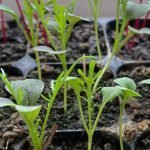
Just look at the tomato in the photo. It is reaching for the sky but the stem is thin and weak and the leaves are a long way apart.
The Problem With Etiolation … For Plants
Nature designed etiolation to help plants thrust new shoots up out of the soil to reach light. It is brilliant for this. But once the plant is above ground it really should find light if it is to prosper.
At this stage the lack of light results in .. elongation of stems and leaves; weakening of cell walls in stems and leaves; longer internodes, hence fewer leaves per unit length of stem; and chlorosis, a pale yellowish-white colouration. All these symptoms mean less vigour and lower yields and flavour.
The Problem with Excessive Height .. For Gardeners
A tomato plant that focuses its energy on vertical growth often does so at the expense of floral development and fruit set.
These tall, spindly plants are more prone to snapping under the weight of ripening fruit or during high winds and are harder to support.
You get fewer fruit trusses before they reach maximum height for your space.
Think About Internodal Spacing
The “internode” is the space on the stem between two leaves. The closer the leaves are together the shorter the plants will be and more trusses you get in a given height.
Short internodal spacing is generally better as it indicates a sturdy plant and leads to more fruit clusters over a shorter length of stem.
Long internodal spacing is what you get if you grow “leggy” plants. It means the plant must transport water and nutrients over a greater distance to reach the fruit. That means reduced yield.
Toms Require Plenty of Sunlight
A lack of sufficient light causes a hormonal response where the plant stretches rapidly to find a light source. The technical term for this is etiolation. It results in weak, thin stems and increased internodal spacing.
When light is limited, the plant cannot produce enough sugars to support both a massive vegetative structure and a heavy crop of fruit.
Sunlight is also essential for the development of lycopene and sugars within the tomato; a leggy plant is more likely to produce bland or undersized fruit.
Summary of Objectives… Why Tall Tomato Plants Fruit Badly
The goal is a compact, robust plant with thick stems. By managing light exposure, you encourage the plant to divert its metabolic resources into reproductive growth (fruit) rather than vegetative extension (height).