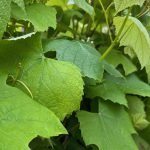
Bay Leaves (Laurus Nobilis) Are A Key Aromatic In A Wide Range Of Global Cuisines, Lending A Subtle, Complex Flavour Profile To Long-Cooked Dishes. Our food forest has a splendid bay tree full of evergreen bay leaves, but it is often overlooked with more exotic plants coming to the fore.
Table of Contents
Culinary Use of Bay Leaves
Bay leaves are typically used whole, either dried or fresh, and are almost always removed before serving as they remain stiff and can be abrasive to consume.
History & Origin of the Bay Tree and Bay Leaves
The bay is a mediterranean tree from a time when the Med was surrounded by laurel forest. Now it is found growing wild in th eEaster and Western Mediterranean, from Turkey to Portugal.
Historically the bay was associated with the ancient god Apollo, and victorious athletes were crowned with laurel wreaths. The word “laureate” comes from this tradition.
Bay Leaves Flavour Profile
The flavour released from the leaves during slow cooking is often described as subtle, adding a background note of herbal, slightly floral, and woodsy characteristics, with hints of menthol, pine, and citrus. Their primary role is to add depth, balance richness, and enhance the overall flavour harmony of a dish, rather than being a prominent flavour on their own.
But the bay laurel berries can also be used as a spice and the oil, pressed from the leaves, can also be used in the kitchen.
Key Culinary Applications
Bay leaves are best suited for recipes that involve long, slow cooking, allowing their essential oils time to infuse the liquid.
Soups and Stews: Essential for beef stews, chicken soups, lentil soups, and broths.
Stocks and Sauces: A core ingredient in preparing basic meat, fish, and vegetable stocks. They are a classic component of the French bouquet garni (a bundle of herbs, often including parsley and thyme, tied together).
Braises and Casseroles: Used for pot roasts, braised meats, and casseroles like daubes.
Grains and Pulses: Often added to the cooking water for rice (like pilaf) and dried beans or lentils.
Dairy Infusions: They can be used to infuse the milk for béchamel sauce, custard, or traditional British rice pudding, adding an aromatic lift.
Dried vs. Fresh Bay Leaves
Dried Bay Leaves: Most commonly used, they have a less bitter, more balanced flavour, which is released effectively during simmering.
Fresh Bay Leaves: Stronger and more pungent. If substituting fresh for dried, use approximately two fresh leaves for every one dried leaf. It is recommended to gently crinkle or score the leaves before adding them to a dish to help release the aroma.
Recipes Incorporating Bay Leaves
In traditional British cooking, bay leaves are frequently used in comforting, slow-cooked meals. Examples include:
Beef Stew or Casserole: Added to the liquid base with stock, wine, and other root vegetables.
Lancashire Hotpot: Used in the hearty lamb and gravy mixture.
Stock and Gravy: Essential for building a rich flavour base for homemade stock and traditional Sunday roast gravies.
Fish Pie: Used to infuse the milk or cream for the white sauce base, alongside onion and cloves.
Bread Sauce: Sometimes added to the milk being steeped with onion and cloves for a festive bread sauce.
Bay leaves are also used in various pickling brines and marinades for meat and fish.
Good to see this too often overlooked herb in the spotlight. Do love the subtle flavour a bay leaf brings to a meal, two often added if I’m not driving 😁





Good to see this too often overlooked herb in the spotlight. Do love the subtle flavour a bay leaf brings to a meal, two often added if I’m not driving 😁
Thanks
So many herbs and spices get neglected but are easy to grow in our gardens.