Soils Are “Living Organisms” That Need Regular Feeding. Don’t Starve Your Soil, Feed It With Organic Matter & Reduce Many Pests & Diseases.
Table of Contents
Roots penetrate the soil and sequester organic soil carbon when they die
soilI frequently see people talking about resting their soil, sheeting down their allotment for the winter and waiting for next season. The reality is that the growing season actually last 365 days a year. The soil is teeming with useful bacteria, fungi and other organisms 365 days a year. All are vital for soil health and they need feeding all that time. When treated correctly soils don’t need resting. Resting starves them!
Some people justify resting soils on the basis that our forefathers did so as part of a Crop Rotation system. And this is true. BUT we’ve since come to understand that there is a better way. In those days the farmers didn’t understand soil science and didn’t fertilisers or compost. And even where they did leave the field fallow it soon grew a multitude of weeds and hence wasn’t devoid of plants.
What soil really needs is plants growing in them 365 days a year. Even in winter they benefit from plants being present, even though growth is slow.
Below I describe what starving soils achieves.
How Starving Soil Damages It
In a nutshell this is what happens when soils are starved with fallow and resting!
1. Soil Microbes Starve Without Food
Soil microorganisms (bacteria, fungi, protozoa, nematodes) depend on organic matter (roots, plant exudates, mulch) for energy. No plants, no organic matter, no fertility!
When soil is left bare, these microbes run out of food, die off, and disrupt the soil food web—leading to a loss of biodiversity, fertility and nutrient cycling.
2. Organic Matter Depletion
Bare soil is exposed to sun, wind, and rain, accelerating the breakdown of organic matter without replenishment.
Without living roots or mulch, carbon (the key building block of soil fertility) is lost as CO₂ through microbial respiration and erosion.
3. Erosion and Degradation
Bare soil is vulnerable to erosion (wind/water stripping topsoil) and compaction (from rain impact).
Loss of topsoil means losing nutrients, water-holding capacity, and habitat for beneficial organisms.
4. Weeds and Pest Pressure
Nature abhors a vacuum—bare soil invites weeds (which thrive in disturbed, empty spaces). These weeds are often noxious, have a long period to establish and are then difficult to eradicate.
Some weeds release allelopathic chemicals that further suppress crops, while pest populations may rebound faster without competition.
Better Alternatives to Bare Fallow
Instead of leaving soil bare, regenerative practices keep soil fed and protected. If you don’t want to grow a crop considered the alternatives.
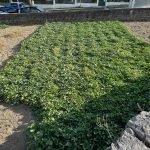
Cover Cropping: Plants like clover, rye, or vetch feed microbes, fix nitrogen, and prevent erosion.
Mulching: Straw, leaves, or compost protect soil and slowly feed microbes.
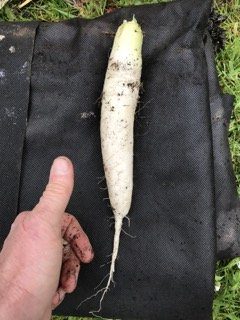
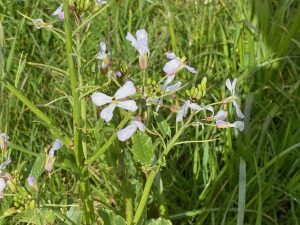
Diverse Crop Options: Different root exudates support varied microbial communities. Winter crops of species such as fodder radish scavenge nitrogen and stop it being leached by winter rains. In spring the nitrogen is released for spring and summer growth.
No-Till/Reduced Tillage: Preserves soil structure and fungal networks.
Soil Starving: Key Insights
Healthy soil is a living ecosystem—not an inert growth medium. Just as you wouldn’t starve a cow between milkings, don’t starve soil between crops. Continuous roots + continuous cover = thriving soil life.
Sheeting Down For Winter
Some gardeners sheet down for winter on the basis that it prevents weeds and winter nutrient leaching. They believe it superior to winter fallow. Look out for my article on Winter Sheet Mulching.