Could This Nitrogen Fixing Maize Change Agriculture Forever?
Could Nitrogen Fixation Be The Answer Better Cereal Yields. This Rare Nitrogen Fixing Maize Takes Nitrogen From The Air & Could Change Farming & Gardening Forever.
Table of Contents
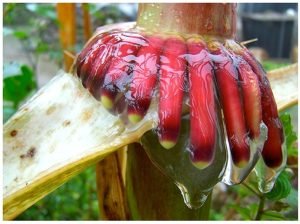
It is the Holy Grail of food production. A crop that needs little fertiliser, one that takes what it needs from the air. It sounds mythical, perhaps even magical. But it is reality. This giant maize literally takes atmospheric nitrogen and uses it as fertiliser. And it has excited scientists who see its potential to decrease fertiliser usage across a range of cereal crops
The video below explores a unique strain of maize, known as “oloton,” which grows in a mountainous region of Mexico. Standing at heights of up to 20 feet, this “giant corn” not only captivates scientists with its immense size but also offers a revolutionary capability: using a mysterious mucilaginous substance it fixes nitrogen from the atmosphere. This is significant, as nitrogen fixation is crucial for agricultural productivity, particularly in a world reliant on nitrogen-rich fertilizers that contribute to environmental pollution.
The scientific discovery surrounding oloton starts with Howard Yana Shapiro in the 1980s and spans nearly three decades, with extensive collaboration between researchers and the indigenous farming community that has cultivated this maize. The findings support the potential of this corn to address global food shortages while raising questions about biopiracy and the rights of the indigenous populations involved. With ongoing efforts to breed this strain with other varieties, the prospect for nitrogen-fixing crops like rice, barley and wheat also emerges, highlighting a promising avenue for sustainable agriculture and food resilience worldwide. The video underscores the vital connection between biodiversity and human culture, illustrating how local indigenous knowledge and practices can lead to significant scientific advancements. It is the reason why we need to preserve heritage varieties and not rely on just a handful of them.
Below I have noted the highlights and insights I get from the video. My suggestion is you read my notes and then watch the video .. or just do your own thing.
Nitrogen Fixing Maize Highlights
🌽 Giant Corn Discovery: The fascinating discovery of a corn variant growing over 20 feet tall, revealing its potential to revolutionise agriculture and gardening.
🧪 “Self-Fertilisation” : Oloton maize’s unique ability to self-fertilise using a nitrogen-fixing mucilage challenges conventional farming methods reliant on chemical fertilisers.
🌍 Global Food Security: The research highlights the urgent need for sustainable agriculture to feed the world’s growing population by reducing reliance on environmentally harmful fertilisers.
🌱 Collaborative Research: Emphasizes the importance of partnership between scientists and indigenous farmers in studying and preserving this unique corn strain.
⚖️ Conversations Around Biopiracy: Raises ethical discussions regarding the ownership of genetic resources and the impact on indigenous communities.
🧬 Breeding for the Future: Ongoing crossbreeding efforts aim to scale up the self-fertilising maize’s properties to more crop varieties, potentially transforming agriculture and horticulture.
🌈 Interconnectedness of People and Nature: Highlights the essential relationship between biodiversity, conservation and community engagement, proving that local communities are vital to preserving knowledge.
Key Insights
🌱 Innovative Agriculture: The ability of the oloton maize to self-fertilise by fixing nitrogen from the atmosphere offers groundbreaking implications for sustainable agriculture. As nitrogen is commonly applied through fertilisers that can cause environmental degradation, crops that can independently procure their nutrient needs could greatly lessen reliance on harmful chemicals, presenting an eco-friendlier approach to feeding a growing global population.
🏞️ Cultural Heritage and Biodiversity: The significance of the indigenous farmers is a powerful reminder of how traditional knowledge systems have preserved unique biodiversity over centuries. Their deep-rooted understanding of native crops aligns with scientists to unlock potential agricultural innovations, corroborating that biodiversity must be viewed not in isolation but as intricately linked to cultural practices and community lifestyles.
⚖️ Ethical Considerations: The video raises critical questions about biopiracy, where valuable agricultural resources may be appropriated without fair compensation to indigenous peoples. The agreement reached to share benefits from the maize research illustrates a model for ethically navigating the richness of biodiversity that encompasses both scientific inquiry and local rights.
🔍 Collaborative Science: The research underscores the importance of interdisciplinary partnerships in scientific discoveries. By integrating the expertise of local communities alongside academicians, the research has enhanced mutual understanding and facilitated progress that respects and amplifies traditional agricultural wisdom.
🔄 Possibilities Beyond Corn: Beyond maize, the implications of nitrogen-fixing crops extend to other staple foods like rice and wheat, suggesting widespread agricultural shifts could occur if this research bears fruit. The aspiration of a future where various feral and veg crops can independently fix nitrogen presents an exciting frontier for enhancing agricultural and horticultural resilience worldwide.
📈 Commercial Viability Concerns: Despite oloton’s promise, researchers face challenges regarding its commercial viability in competing with industrial corn. Success in crossbreeding to create high-yield strains remains a crucial step before this innovation can become mainstream, indicating a potential lag before these sustainable practices become widely adopted. Though these days, with the price of fertilisers, Western farmers look at their gross margins (roughly equating to profit) as much as yields. Lower costs can make lower yields attractive in some situations.
🌏 Environmental Impact Awareness: The discussion highlights a need for increased awareness of agriculture’s environmental footprint, specifically concerning nitrogen fertilisers. Addressing these challenges through self-sustaining crops could lead to healthier ecosystems and improve agricultural practices globally, essential for combating issues like dead zones in oceans caused by runoff.
In conclusion I feel the video presents a compelling narrative that intertwines the scientific discovery of self-fertilising oloton maize with the cultural heritage of indigenous farmers, while also addressing pressing agricultural and ethical issues in today’s world. The insights and highlights pull together an urgent call to rethink agricultural practices towards sustainability, respect biodiversity, and foster collaboration among different stakeholders involved in food production and biodiversity conservation.