Straw Bale Gardening: A Unique Gardening Technique
Straw Bale Gardening Was A Commercial Technique When I Owned a Market Garden. Today It Is Often Considered Quirky & Is Not So Popular. Why?
Table of Contents
What Is Straw Bale Gardening?
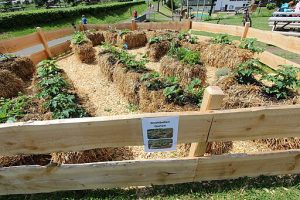
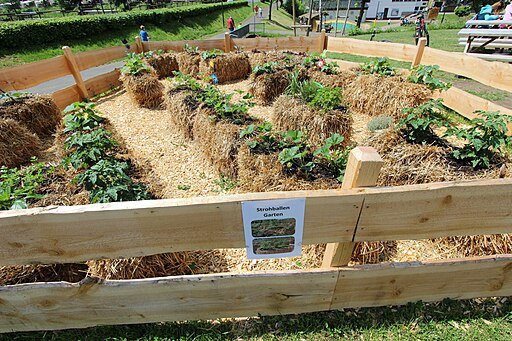
Straw bale gardening offers a unique alternative to traditional soil-based gardening. By using bales of straw as raised beds, you can create a relatively weed-free, nutrient-rich environment for your plants. This method is particularly beneficial for those with poor soil quality or physical limitations. Straw Bale gardening is often recommended for beginners though personally I feel it is more challenging than gardening in the soil and is better tackled by those with some experience.
Straw bale gardening can be practiced outside or in greenhouses and/or polytunnels.
Pros and Cons of Straw Bale Gardening
Pros:
Weed-free: Straw bales are generally weed free, or only contain limited numbers of weeds, hence eliminating the need for constant weeding. If you know they contain weeds place layer of cardboard on top of the bale to stop weeds growing into your crop.
Fast and easy setup: Compared to traditional gardening, setting up a straw bale garden is quick and straightforward. Provided of course, you can handle the weight of the bale during set up and breakdown.
Ideal for various plants: Most vegetables, herbs, and flowers can be successfully grown in straw bales. though, due to the cost of straw bales I’d limit there use to growing high value or specialist crops.
Improved drainage: Straw bales provide excellent drainage, reducing the risk of root rot. Provided you don’t overwater them.
Accessibility: The raised beds make it easier for people with back problems or limited mobility to garden.
Cons:
Regular watering: Straw bales dry out quickly, requiring frequent watering, especially during hot weather. Trickle hose can help reduce the watering effort.
Nutrient requirements: Straw bales lack essential nutrients, necessitating nutrient addition ion the early stages. Longer term they break down and found an organic matter rich compost full of nutrients.
Cost: Purchasing straw bales can be more expensive than traditional gardening methods.
Short-term use: Straw bales decompose over time, requiring replacement for subsequent growing seasons.
Beware aminopyralid usage to kill broadleaved weeds in the cereal crop. This can seriously damage crop growth, ALWAYS do a bean test in the bales before planting valuable crops. Try the bean test weeks before you intend to grow crops!
Step-by-Step Guide to Setting Up a Straw Bale Garden
Choose the right straw bales: Select high-quality, tightly packed straw bales free from weeds and moulds.
Prepare the bales: Water the bales thoroughly to initiate the composting process.
Add fertiliser: Apply a nitrogen-rich fertilizer to the bales to kickstart plant growth. This will start the decomposition process and eventually generate some warmth which is useful at the plant roots.
Create planting holes: Use a trowel or garden knife to make planting holes in the bales.
Add some compost to start the plants off in.
Plant your seedlings/plants: Carefully transplant seedlings or plants into the prepared holes.
Water regularly: Water the bales frequently to maintain moisture and prevent them from drying out. You can use liquid feeds as per manufacturers instructions if you prefer this to adding granular fertilisers.
Regularly add nutrients: Apply a suitable fertiliser every few weeks to provide essential nutrients for plant growth.
Additional Tips for Success:
Choose the right location: Select a sunny spot with at least 6 hours of direct sunlight per day.
Monitor moisture levels: Regularly check the moisture content of the bales to ensure they are not too dry or too wet.
Protect from pests: Use row covers or other methods to protect your plants from pests and diseases.
Mulch around the bales: Apply a layer of mulch around the base of the bales to retain moisture and suppress weeds.
Enjoy the harvest: Reap the rewards of your labour by enjoying fresh, homegrown produce!
Straw bales are organic matter rich and eventually decompose into nutrient rich crumbly compost. So consider how the bales can be used as the end of the season. Heaped to make a compost heap, broken down to use in a Ruth Stout style garden, or some other way.
By following these tips and embracing the unique challenges and rewards of straw bale gardening, you can create a thriving garden that produces abundant harvests.