Over The Last Seven Decades, The Crops Grown In British Vegetable Gardens Have Shifted Dramatically, Reflecting Major Societal Changes.
Table of Contents
Vegetable gardening has moved from the WWll Dig For Victory focus on food production to a more diverse, leisure-oriented pursuit. The change has been driven by numerous factors, including post was economic recovery, the rise of consumer culture, overseas holidays, technological advancements, and a growing environmental awareness. In this article I look at Vegetable Garden Trends: What We Grow& Why We Grow It.
Vegetable Garden Trends: What We Grow And Why
The answer is about change over the decades and below I mention just a few of the factors, by decade, that influenced today’s garden and allotment growing culture.
1950s and 1960s: Post-War Pragmatism
Following the Second World War, the ‘Dig for Victory’ campaign, which encouraged people to grow their own food to supplement wartime rations, began to fade. Gone were the days of “Mr Middleton” and wartime gardening advice leaflets. 1954 saw the end of rationing in 1954 which, coupled with a period of economic recovery, saw an influx of cheap food into our shops. This reduced the practical need for extensive vegetable plots, and many allotments and home gardens were converted from necessary veg plots into decorative flower gardens. The focus shifted to growing common flowers for beauty, with popular choices including roses, gladioli, and colourful bedding plants.
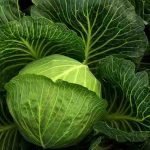
This period also saw the rise of the modern garden centre, which made a much wider variety of plants, tools, and materials readily available to the public. The invention of plastic pots meant plants could be sold throughout the year, further moving gardening away from seasonal, food-based routines. The few vegetables that remained popular were hardy staples like potatoes, cabbages, runner beans, and peas, which were easy to cultivate and provided a reliable harvest.
The Windrush generation also reached our shores starting in 1948 and they brought with them a cuisine and vegetables that were unknown on these shores. It took time but gradually we started to see “unusual veg” being grown here for the first time in centuries.
1970s and 1980s: Broadening Horizons With New Vegetable Garden Trends
The 1970s saw a resurgence in ‘grow your own’ culture, fuelled by the counter-cultural movement and popular television programmes like the BBC’s The Good Life. John Seymour’s book, The Complete Book of Self-Sufficiency, became required reading amongst those that wanted to be self sufficient and was a book I read myself. Many people understood it as gospel and believed everything it said, whilst those of us that had farmed saw many flaws in its advice. However, I’m sure it was just a tiny bit influential in my decision to start a market garden a few years later!
But I digress. This renewed interest amongst many people was less about necessity and more about a desire for self-sufficiency and the pleasure of fresh, home-grown produce. More significantly, the rise of affordable package holidays to the Mediterranean and other European countries exposed millions of Britons to new cuisines. People returned home with a taste for ingredients they had enjoyed abroad and sought to cultivate them in their own gardens.
It is hard to imagine now but so many veg we grow today were not al all common previous to this. Man y weren’t exactly new, they aristocracy had grown them in their walled gardens and heated greenhouses but many ordinary people had never seen simple things such as aubergines, peppers and chilli.
Here are a few examples of the change of the veg that were being sampled on holiday and were consequently being looked for in the UK
Courgettes: A common sight in continental salads, courgettes were a relatively new addition to British gardens. This might surprise people today but the word ‘courgette’ only entered the English language in the early 20th century, with the Oxford English Dictionary citing its first use in 1931. They quickly became popular due to their high yield and ease of growth in the UK climate, cementing their place as a staple.
Aubergines: While known in the UK since the late 18th century, the aubergine, or eggplant, was not widely grown by home gardeners until the mid-20th century. This was notably influenced by cookery writer Elizabeth David, who popularised Mediterranean cuisine. As a tender plant, its cultivation became more feasible for home gardeners with the increased availability and use of greenhouses and cloches. We’d had greenhouses and cloches in the large walled gardens for a long time but they only became affordable and available to many home gardeners from the 1970s onward.
Peppers: Peppers have been cultivated in Britain since at least the 16th century, though primarily as a curiosity. Their cultivation became more widespread in the mid-to-late 20th century, coinciding with the popularisation of greenhouses and tunnel cloches. I started growing peppers on a large scale, 3-4000 plants a year, in the late 70s and most of my friends at the time didn’t have a clue what they were. The exception were those that had taken a cheap Greek holiday!
Chillis: My first experience of growing chilli came by mistake. One pack of pepper seed mistakenly contained chilis. They looked the same and it was only once the fruit started forming that the mistake became apparent. Suddenly I had 640 chilli plants in a 120ft tunnel to harvest! Each week we harvested multiple boxes and we sent them to the commission markets in London, Leicester and other cities with cultures that cooked with them every day!
Coriander: I started growing this when an Indian gent visited me with a large brown paper sack of seed and asked me if I would grow it for him. I didn’t have a clue what it was and had to ask if it was a root, leaf or fruit crop and when to sow it. He explained it was a leaf and that is was sown in May on the plains and June in the mountains. That obviously made growing it a doodle!
Iceberg Lettuce: Prior to the 1980s the popular lettuce were butterhead, cos and lakeland types. I was asked to grow my first crop by my seed supplier. It was the first time they had been grown as a commercial crop in the country and I tell part of the story in my how to grow lettuce article .
1990s and Beyond: Diversity and Sustainability
The late 20th and early 21st centuries have seen a continued evolution, with a new focus on ecological and sustainable practices. Concerns about climate change and environmental issues led to a renewed interest in organic gardening, heirloom vegetables, food forests and native plants that support local biodiversity.
Heritage and Exotic Varieties: The trend of growing food has continued, but it is now often a blend of practicality and personal interest. Gardeners seek out heritage varieties for their unique flavours and historical significance, and many are now attempting to grow more exotic crops such as okra and yacon, often using conservatories or polytunnels to replicate warmer climates. This is a far cry from the utilitarian vegetable patches of the 1950s.
2000 & Beyond
The changes from 2000 and beyond deserve another article. Technological changes, increased interest in sustainability and the cost of food are just a few factors to consider. But perhaps the biggest one was Covid. The pandemic saw a huge increase in home and allotment growing, partly because people were at home and partly because supermarket shelves were often empty. But more on that another day.
Vegetable Garden Trends: Research Sources
I really need to start this list with my own experience as both a commercial grower and amateur gardener but must then also mention the following.
BBC, “Food for thought: The social history of the British menu”