Covering Soil With Plastic Sheeting Or Impermeable Tarps Over Winter (Sometimes Called “Sheet Mulching” Or “Solarisation”) Is Often Used To Suppress Weeds, Warm The Soil, Or Prevent Erosion. However, It Can Cause Serious Harm To Soil Health In The Long Run.
Table of Contents
But why is sheet mulching in winter such a bad idea? In this article I explain why.
Why Winter Sheet Mulching Is Damaging To Soils
1. Suffocates Soil Life
Microbes & earthworms need oxygen – Plastic sheeting blocks air exchange, leading to anaerobic conditions that kill beneficial soil organisms.
Fungal networks (mycorrhizae) die off – These critical symbionts help plants absorb nutrients and water. They will recolonise eventually but why disadvantage your next crop?
2. Traps Moisture & Encourages Rot
Without airflow, excess moisture builds up, promoting root diseases (e.g., Phytophthora) and harmful anaerobic bacteria.
Can lead to foul-smelling, compacted soil by spring. Rotavating might get rid of the smell but it doesn’t solve the problem.
3. Starves the Soil Food Web
Bare soil (even under plastic) halts photosynthesis – No plant roots = no exudates to feed microbes = decreased fertility.
Organic matter breaks down without replenishment, depleting carbon reserves.
4. Weakens Soil Structure
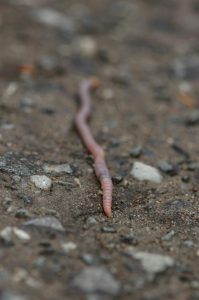
Prolonged covering reduces earthworm activity (they often avoid sealed surfaces), leading to compaction.
Rain hitting plastic runs off instead of infiltrating, causing nutrient leaching and surface crusting around the sheets.
5. Temperature Swings & False Spring
Black plastic may warm soil temporarily, tricking plants into breaking dormancy too early, only to freeze later.
At night, plastic offers no insulation, leading to wider temperature fluctuations than uncovered soil. It can often be colder under plastic than if the soil is bare.
Better Alternatives for Winter Soil Protection
Instead of sheeting, use breathable, organic methods:
✅ Winter Cover Crops
Clover, rye, pea, broad bean or vetch protect soil, fix nitrogen, and feed microbes with living roots. Or better still, grow winter veg!
✅ Thick Organic Mulch
Straw, leaves, or wood chips insulate soil, prevent erosion, and slowly decompose to feed life.
✅ Compost Blanket
A 2–3″ layer of compost moderates temperature, adds nutrients, and supports microbial activity.
✅ Cardboard + Mulch (For Weed Suppression)
Biodegradable cardboard smothers weeds while allowing air/water exchange (unlike plastic).
Winter Sheet Mulching: Key Takeaway
Soil is a living ecosystem—sealing it under plastic is like putting a plastic bag over your head. Winter is a critical recovery period for soil biology; keep it covered, but breathing, with organic matter.