Loganberries: A Tangy Twist in British-American Garden History
Loganberries Sound Very British , But The 1916 Oregon State Paper “Loganberry” Points Us Towards A Fascinating, And Somewhat Accidental, Star Of British Fruit Cultivation.
Table of Contents
The loganberry’s journey from a Californian judge’s garden to British allotments and Wimbledon player’s refreshment menu is a story of horticultural serendipity and wartime resilience that still resonates today.
Loganberries: An Accidental American Origin
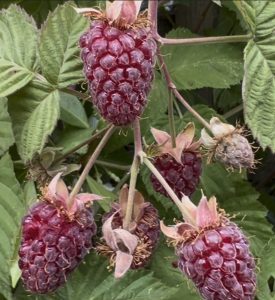
The loganberry owes its existence to American lawyer and horticulturalist Judge James Harvey Logan (1841-1928). Around 1881, in Santa Cruz, California, Logan sought to improve his blackberries. He apparently accidentally created a cross-pollination in his garden between a native American blackberry (Rubus ursinus) and a cultivated red raspberry (Rubus idaeus), likely the ‘Red Antwerp’ variety. The resulting vigorous vine bore large, dark red, conical fruit – distinctively tart, less seedy than a blackberry, but larger and more robust than a raspberry. Logan named his discovery after himself, and the loganberry was born.
Crossing the Atlantic: Finding a Home in Britain
The loganberry arrived in Britain remarkably quickly, reflecting the Victorian era’s passion for new plant introductions. It found fertile ground, quite literally:
Climate Compatibility: While originating in California, the loganberry proved exceptionally well-suited to the cooler, damper British climate. It thrived where some other berries struggled, becoming a reliable and productive cropper.
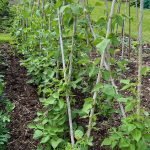
Vigour and Utility: Its vigorous growth habit made it ideal for covering arches, fences, and walls – a perfect fit for the British cottage garden and burgeoning allotment culture. And it gave abundant yields.
The Tart British Palate: While perhaps too sharp for some tastes eaten raw straight off the cane, the British penchant for cooked fruits, jams, jellies, pies, and summer puddings perfectly suited the loganberry’s tangy profile. Its rich flavour and deep colour made superb preserves.
Loganberries: The Wartime Workhorse
The loganberry truly came into its own during the Dig for Victory campaigns of World War II and the austerity years that followed:
Loganberry
Reliable Nutrition: It was a prolific source of vitamin C and other nutrients, crucial when imported fruits were scarce. Its hardiness meant it could produce well even with minimal care.
Preservation Powerhouse: The loganberry’s high acidity and pectin content made it *exceptionally* well-suited for successful home preserving. Jams and jellies made from loganberries were staples, stretching the sweet ration and providing vital calories and vitamins.
Allotment Champion: Its ease of growth and high yield made it a favourite on wartime allotments, embodying the self-sufficiency and “make-do-and-mend” spirit of the era. It wasn’t a fussy grower and produced fruit when it was most needed.
A Lingering Loganberry Legacy
Though perhaps less ubiquitous than its raspberry cousin today, the loganberry holds a special place in British horticultural and culinary history:
The Allotment Staple: It remains a cherished plant on many traditional allotments, prized by older generations for its reliability and flavour. I recently visited an allotment site and over 90% of there plots had a loganberry or ten.
Wimbledon’s Secret (Not So Secret) Ingredient: The loganberry’s most famous contemporary role? It’s the key ingredient in the “Loganberry and Blackcurrant” squash traditionally served to players at the Wimbledon Tennis Championships – a unique and enduring tribute to this British garden favourite.
Artisanal Renaissance: Craft producers and chefs seeking distinctive, heritage flavours are rediscovering the loganberry. Its complex tartness adds depth to artisan jams, cordials, desserts, and even beverages like gin.
More Than Just a Berry
The loganberry’s story in the UK is a microcosm of broader themes:
Adaptation: An accidental hybrid from California found its perfect niche in British soils and kitchens.It grows really well in food forests.
Resilience: It became a vital, dependable food source during the nation’s greatest challenge.
Cultural Integration: It moved from novelty to allotment staple to an iconic element of a major British sporting event.
Flavour Heritage: Its unique tang represents a distinct thread in the wide range of British fruit tastes. WE have so many fruit and berries .. watch for a separate article on them all.
So, next time you see a vigorous bramble covered in dark red, elongated berries remember Judge Logan’s accidental creation. The loganberry isn’t just a fruit; it’s a hardy, tangy piece of British gardening and culinary history, born in America but truly made at home in the UK’s gardens and larders.
Loganberry Jam Recipe
Makes approximately 1.5 litres
1kg loganberries
Juice 1 small lemon, optional
1kg sugar
These quantities can be scaled as required.
Place the loganberries, sugar and lemon juice in a large pot or jam pan and bring to the boil, then reduce heat and barely simmer for 5-15 minutes over a gentle heat.
It is ready when it coats the back of a spoon and doesn’t run when a finger is wiped through it!
Place in sterilised containers. It keeps an age, especially if refrigerated when opened.