The Hortillonnages of Amiens: A Unique Floating Garden Landscape
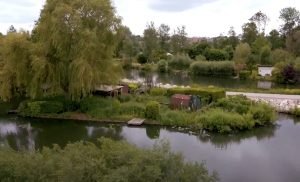
The Hortillonnages Of Amiens Are A Network Of Island Gardens Similar To The Chinampas Of Mexico. The Are Accessed Via An Interlaced Network Of Canals & Are A Remarkable Blend Of Natural Beauty, Historical Significance, & Horticultural/Agricultural Heritage.
Table of Contents
Nestled in the heart of Amiens, this extraordinary wetland landscape has been shaped by centuries of human ingenuity and remains a vital part of the region’s identity.
Historical Origins Of The Hortillonnages
The origins of the Hortillonnages date back to Roman times when the marshlands surrounding Amiens were drained to create fertile farmland. Over the centuries, peat extraction and controlled water management further shaped this intricate landscape. The first known map of the Hortillonnages dates from 1524 and provides early evidence of their structured layout.
The Geography and Structure of The Amine s Hortillonages
Les hortillonnages de Amiens
Covering approximately 300 hectares, the Hortillonnages are crisscrossed by 65 kilometres of canals, known locally as rieux. These waterways divide the land into a mosaic of islands, or aires, where farmers have cultivated crops for centuries. The Hortillonnages span four communes: Amiens, Rivery, Camon, and Longueau.
Environmental Importance
This wetland ecosystem plays a crucial role in supporting biodiversity, acting as a sanctuary for a wide range of bird species, amphibians, and insects. The marshes naturally filter water, improving quality while providing essential habitats for wildlife. Conservation efforts ensure that this delicate balance between human activity and nature is maintained.
Traditional French Market Gardening
The Hortillonnages have long been home to a distinctive form of agriculture. The hortillons—market gardeners—navigated the canals using barques à cornet, flat-bottomed boats designed for easy access to the plots. At the start of the 20th century, nearly 950 market gardeners worked in the Hortillonnages. However, urban expansion and changing agricultural practices have led to a sharp decline, with only seven remaining horticulturists cultivating 25 hectares today. To preserve this legacy, Amiens Métropole has acquired land to lease to new growers, helping to sustain traditional practices.
Other traditional French market gardening systems include Les Maraîchers Parisiennes and the link gives more info on their biointensive gardening methods.
Hortillonnages Today: Tourism and Leisure
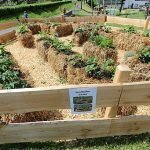
The Hortillonnages are one of Amiens’ most popular attractions, drawing 130,000 visitors annually, with around 30% coming from abroad. Visitors can explore the waterways in electric-powered boats, canoes, or by walking along designated footpaths. The Jardin des Vertueux, a 10,000 m² landscaped space, offers an immersive experience blending market gardening with innovative green architecture. Every June, the Marché sur l’eau (Water Market) recreates the centuries-old tradition of selling fresh produce directly from boats, providing an authentic glimpse into local history.
Conservation and Challenges
The preservation of the Hortillonnages is a growing challenge, as modern urban expansion threatens their delicate balance. Conservation efforts, led by organisations such as the Association for the Safeguarding of the Hortillonnages, focus on maintaining this historic environment. Organic farming initiatives, including the Jardin des Vertueux and Hortillon de Lune, are helping to revitalise market gardening. In 2017, a museum in Rivery was established, displaying traditional tools used from 1850 to 1950 and recounting the site’s rich agricultural heritage.
Hortillonnages: Comparison with Chinampas
The Hortillonnages of Amiens share similarities with the chinampas of Mexico, an ancient Mesoamerican agricultural system used by the Aztecs. Both are floating garden systems created through human ingenuity to maximise arable land in wetland areas. However, there are key differences:
– Structure: Chinampas are artificial islands built by layering soil and vegetation on top of a wooden frame, whereas the Hortillonnages are naturally occurring peat islands adapted for agriculture.
– Origins: The chinampas date back to pre-Columbian times, whereas the Hortillonnages were shaped from the Roman period onward.
– Crops: Chinampas primarily supported maize, beans, squash, and flowers, while the Hortillonnages historically focused on vegetables such as leeks, carrots, and lettuce.
– Cultural Legacy: While both systems have experienced declines, chinampas remain an important agricultural practice in parts of Mexico, whereas the Hortillonnages have largely transitioned towards conservation and tourism.
Despite their differences, both systems highlight the ingenuity of human adaptation to wetland environments and the importance of sustainable agricultural practices.
Conclusion
The Hortillonnages of Amiens stand as a testament to sustainable agriculture, cultural tradition, and environmental stewardship. As an evolving landscape, their future depends on continued conservation efforts and innovative agricultural approaches. Preserving this unique site ensures that future generations can continue to enjoy and learn from one of France’s most extraordinary natural and historical treasures.
Visiting The Hortillonnages
If you visit the Amiens Hortonilagges they offer hortillonages guided tours in a traditional cone boat (les hortillonnages visites guidées en barque à cornet traditionnelle).