Dipping Ponds, Are A Testament To Centuries Of Horticultural Wisdom, But Often Overlooked In Modern Gardens & Allotments.
Table of Contents
These simple yet versatile gardening features offer a multitude of benefits, from water conservation to wildlife habitat. Dipping Ponds are low cost and can also save your plants during a drought. They also fit in with the concept of Swales and rain water diverters in gardens.
What Are Dipping Ponds?
A dipping pond is a pond that captures rainwater from a garden and traditionally redistributed it to plants by dipping a bucket or watering can in it and carrying the water to the plants. A pump is sometimes used by some gardeners, to make the process a little less manual.
Dipping ponds were traditionally built for watering purposes. All other benefits were secondary to that.
Dipping Ponds: A Historical Perspective
The origins of dipping ponds can be traced back to Medieval times, especially in monastic gardens.
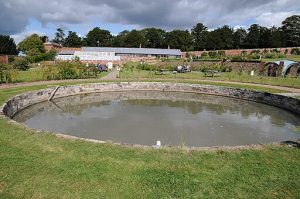
There are notable later examples, such as the 14-metre-diameter dipping pond at Croome Court, constructed in 1764. This impressive pond, fed by land drains, showcases the ingenuity of historical water management techniques. In an era before reliable piped water, rainwater harvesting was essential. Dipping ponds, often centrally located in kitchen gardens, provided a convenient source of water for gardeners.
Resurgent Interest in Dipping Ponds
In recent years, there has been a resurgence of interest in dipping ponds, particularly among those seeking sustainable and eco-friendly gardening solutions. By incorporating a dipping pond into a garden design, one can reap a variety of rewards:
Efficient Water Management:
Water Harvesting: Dipping ponds collect rainwater, which can be used to irrigate plants during dry periods.
Stormwater Management: By diverting rainwater from roofs and hard surfaces, dipping ponds help reduce the risk of flooding and soil erosion. They also reduce CSO (Combines Sewer Outfall) issues and hence river and beach pollution
Wildlife Habitat:
Insect Diversity: The still waters of a dipping pond attract a diverse range of insects, including dragonflies, damselflies, and water beetles.
Reptile Diversity: Dipping ponds provide habitat for frogs, toads, newts, grass snakes etc. All of them eat slugs! Ensure your dipping pond has a sloping side to allow wildlife easy access and exit.
Mammal Diversity: Dipping ponds can provide access to water for a wide range of mammals. From mice to deer … many can benefit.
Bat Sanctuary: The abundance of insects around a dipping pond can provide a valuable food source for bats.
Temperature Regulation:
Winter Warmth: In colder months, a dipping pond can act as a heat sink, releasing stored heat into the surrounding environment.
Summer Cooling: During hot weather, the evaporation of water from the pond can help to cool the air and maintain humidity levels.
Pond Design Considerations
When designing a dipping pond, it is important to consider a few key factors:
Size and Depth: The size and depth of the pond will determine its water storage capacity and its ability to support wildlife.
Location: The pond should be located in a sunny spot, preferably near a water source.
Water Source: The pond can be filled with rainwater, groundwater, or a combination of both.
Planting: Consider planting aquatic plants to oxygenate the water and provide habitat for wildlife.
Maintenance: Regular maintenance is essential to keep the pond clean and healthy.
By adding a dipping pond into your garden or allotment, you can create a beautiful and sustainable feature that benefits both you, your plants and the environment.
Really good read. Unfortunately we can’t get building permits for large open ponds so we buried 5 cubic tank under the grass. We use a hand pump. Interestingly we don’t have sco as rain/sewage systems are separate here.








Really good read. Unfortunately we can’t get building permits for large open ponds so we buried 5 cubic tank under the grass. We use a hand pump. Interestingly we don’t have sco as rain/sewage systems are separate here.
Thanks for your comment David. I’m always sinter tested to hear how things are done in other parts of the world.