What Edible Seed Crops Can Be Grown In The UK? Grains Obviously, But Many More Domesticated & Wild Plants Produce Edible Seeds.
Table of Contents
Edible Seed Crops Growing in UK Gardens Is Possible & Becoming More Common. Here’s My Potential List for 2025. In compiling it I have used the following criteria. Some of these crops are common, especially the farmed cereal crops. Others are less common and some are harder to grow …. more on that later.
Criteria
Can be grown for their edible seeds
Suitable for UK growing
I’ve included some nutritional information but cannot profess any expertise in nutrition or on th reliability of the nutritional information.
Edible Grains
Oats
I’m starting with oats because I eat it most days. In my case it is in porridge but others will consume it in energy bars and in flapjacks etc.
General Info: Oats are commonly grown in the UK for their edible seeds, which are used in breakfast cereals, porridge, and baking. They are particularly well-suited to the cooler, wetter regions of the UK.
Nutritional Value: Oats are nutrient-dense, offering around 389 calories per 100 grams. They are high in protein (16g), dietary fibre (11g), and contain essential minerals like manganese, phosphorus, and magnesium.
Wheat
General Info: Wheat is a staple crop in the UK, grown for its edible seeds which are used to make flour for bread, pasta, and other food products. It thrives in the temperate climate of the UK.
Nutritional Value: Wheat seeds are rich in carbohydrates, providing about 340 calories per 100 grams. They also contain protein (13g), dietary fibre (10g), and essential minerals like iron, magnesium, and zinc.
General Info: Barley is another important crop in the UK, grown for its seeds which are used in brewing beer, as well as in food products like soups and stews. It is well-suited to the UK’s climate.
Nutritional Value: Barley seeds provide approximately 354 calories per 100 grams. They are high in dietary fibre (17g), protein (12g), and contain vitamins and minerals such as B vitamins, iron, and magnesium.
Other traditional cereal grains that can still be grown in the UK include rye, spelt, triticale, Einkorn and emmer.
Cereals grow better in the dryer parts of England, eg East Anglia, as the west is a bit wetter and favours grass production. You can see cereal growing maps of where it is grown by following the link.
Non Cereal Seed Crops
Peas
General Info: Peas are grown for their edible seeds, which can be eaten fresh, frozen, or dried. They are a popular crop in the UK, especially in the cooler northern regions and drier East Anglia.
Nutritional Value: Peas provide about 81 calories per 100 grams. They are rich in protein (5g), dietary fibre (5g), and contain vitamins A, C, and K, as well as minerals like iron and magnesium.
Broad Beans
General Info: Broad beans, like fava beans, are grown for their large, edible seeds. They are a traditional crop in the UK and are well-suited to its climate.
Nutritional Value: Broad beans offer around 341 calories per 100 grams. They are high in protein (26g), dietary fibre (25g), and contain vitamins B1, B6, and K, as well as minerals like iron, magnesium, and potassium.
Lentils
General Info: Lentils are grown for their small, edible seeds which are used in soups, stews, and salads. They can be grown in the UK, particularly in well-drained soils, though not many are grown today. The climate in France suits the crop far more and areas such as Puy are famous for lentils where they thrive in the volcanic soils.
Nutritional Value: Lentils provide approximately 116 calories per 100 grams. They are rich in protein (9g), dietary fibre (8g), and contain essential nutrients like folate, iron, and manganese.
Sunflowers
General Info: This is another crop that does well in France, but Sunflowers can be grown in the UK for their seeds, which are edible and can be used for snacking or pressed for oil. They require a sunny location and well-drained soil. In England breeding programmes have gained at sunflower heads that hang down as the seeds ripen .. to keep the rain off them!
Nutritional Value: Sunflower seeds offer around 584 calories per 100 grams. They are high in healthy fats (51g), protein (21g), and contain vitamins E and B6, as well as minerals like magnesium and selenium.
Quinoa
General Info: Quinoa is a relatively new crop for the UK but can be grown for its edible seeds, which are high in protein and used in a variety of dishes. It requires well-drained soil and a long growing season. Quinoa is grown near me in Devon by a few farmers.
Nutritional Value: Quinoa seeds provide about 120 calories per 100 grams. They are high in protein (4g), dietary fiber (2.8g), and contain essential amino acids, vitamins B and E, and minerals like iron and magnesium.
Pumpkin
General Info: Pumpkins can be grown for their seeds, which are edible and can be roasted for snacking. But it makes more sense jus too save the seeds from pumpkins that are grown and carved for halloween . why would you throw the seeds away! Pumpkins thrive in a sunny location and fertile, well-drained soil. I once grew half an acre of pumpkins for sale at a USAF air force base in East Anglia.
Nutritional Value: Pumpkin seeds offer around 559 calories per 100 grams. They are rich in healthy fats (49g), protein (30g), and contain vitamins K and E, as well as minerals like magnesium, zinc, and iron.
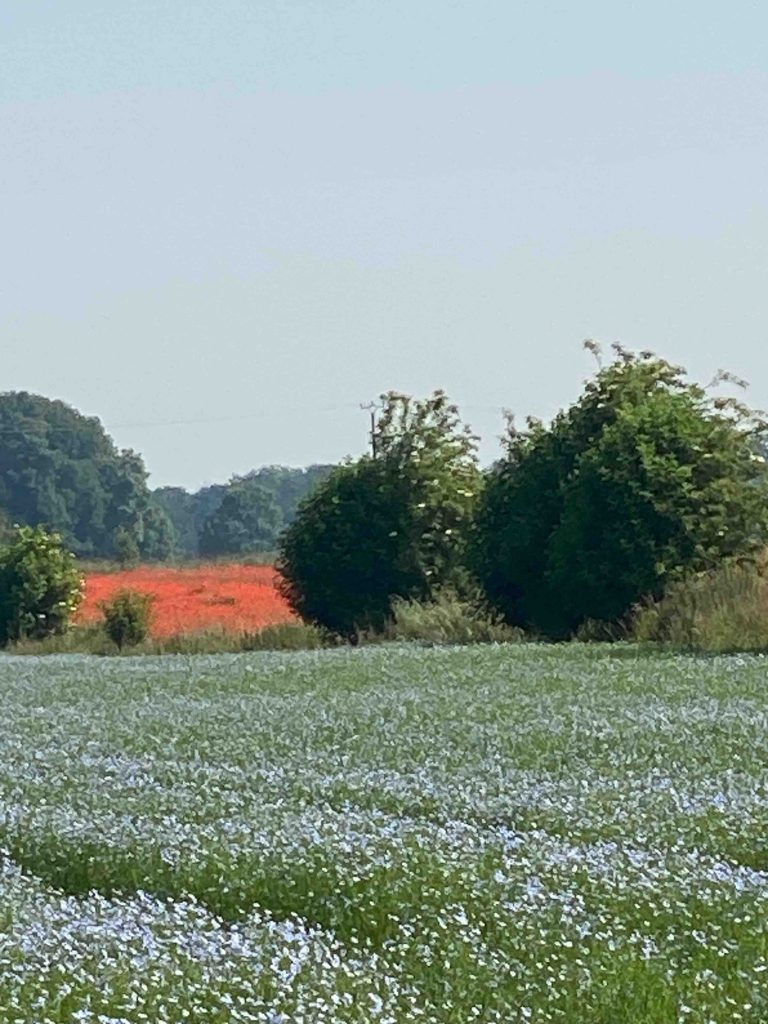
Flax (Linseed)
General Info: Flax is grown for its seeds, known as linseeds, which are edible and used in baking, cereals, and for oil. It is well-suited to the UK’s temperate climate. Linseed is grown quite widely in parts of the UK but not on the huge scale grown in France. I was recently in the Eure are in Normandy and saw the extent of the linseed and flax farming and the annual flax and needle festival.
Nutritional Value: Flax seeds provide approximately 534 calories per 100 grams. They are high in healthy fats (42g), protein (18g), and contain dietary fiber (27g), as well as omega-3 fatty acids, and minerals like magnesium and manganese.
Amaranth
Amaranth is an edimental, it is an edible ornamental plant. Personally I eat the maroon/red coloured leaves in salads but it can be grown for its grain.
General Info: Amaranth is a plant that can be cultivated in gardens for its edible seeds, which are high in protein and used in various dishes. It grows well in the UK’s climate in well-drained soils.
Nutritional Value: Amaranth seeds offer around 371 calories per 100 grams. They are high in protein (14g), dietary fibre (7g), and contain vitamins B6 and C, as well as minerals like calcium, iron, and magnesium.
Chia
Thi sis a crop I’ve never grown so my knowledge is limited, but here goes.
General Info: Chia seeds are edible and can be grown in the UK, particularly in gardens. They are used in smoothies, baking, and as a topping for various dishes. Chia plants require well-drained soil and a sunny location.
Nutritional Value: Chia seeds provide about 486 calories per 100 grams. They are rich in healthy fats (31g), protein (17g), and contain dietary fibre (34g), omega-3 fatty acids, and minerals like calcium, magnesium, and phosphorus.
Buckwheat
General Info: Buckwheat is a wild plant that can be farmed in the UK for its edible seeds, which are used in flour, cereals, and as a grain substitute. It grows well in poor soils and cooler climates.
Nutritional Value: Buckwheat seeds offer around 343 calories per 100 grams. They are high in protein (13g), dietary fibre (10g), and contain vitamins B2 and B3, as well as minerals like magnesium, manganese, and copper.
Hemp
Hemp growing was banned in the UK between 1928 and 1993. It’s similar, but NOT the same as cannabis which might be part of the reason for the original ban. Traditional it was used as a fibre, hemp ropes being common in maritime situations. Today hemp ropes are seen as an alternative to manmade fibres and are regarded as natural and eco-friendly.
General Info: Hemp seeds are edible and can be grown in the UK. They are used in health foods, oils, and as a protein supplement. Hemp plants require well-drained soil and a sunny location.
Nutritional Value: Hemp seeds provide approximately 553 calories per 100 grams. They are rich in healthy fats (49g), protein (32g), and contain dietary fibre (4g), omega-3 and omega-6 fatty acids, and minerals like magnesium and zinc.
Nettle
Nettles are easy to grow and are the food crop of several butterflies such as the red admiral, small tortoiseshell, painted lady and comma.
General Info: Nettle seeds are edible and can be harvested from wild nettle plants, which can be grown in gardens. They are used in teas, smoothies, and as a nutritional supplement. Nettles grow well in the UK’s climate.
Nutritional Value: Nettle seeds offer around 42 calories per 100 grams. They are high in protein (7g), and contain vitamins A, C, and K, as well as minerals like iron, calcium, and magnesium.
Fat Hen, Chenopodium album (aka Lamb’s Quarters)
General Info: Fat Hen is a wild plant that can be cultivated in gardens for its edible seeds, which are used in a similar way to its relation, quinoa. It grows well in the UK’s climate and is often found in disturbed soils.
Nutritional Value: Fat Hen seeds provide about 371 calories per 100 grams. They are high in protein (14g), dietary fibre (7g), and contain vitamins A and C, as well as minerals like calcium, iron, and magnesium.
Mustard
General Info: Mustard seeds are edible and can be grown in gardens. They are used as a spice and in mustard production. Mustard grows well in the UK’s climate and requires well-drained soil.
Nutritional Value: Mustard seeds offer around 508 calories per 100 grams. They are rich in healthy fats (36g), protein (25g), and contain vitamins A, C, and K, as well as minerals like calcium, iron, and magnesium.
Radish
General Info: Radish seeds are edible and are grown in many gardens. They can be used in salads and as a spice.
Nutritional Value: Radish seeds provide approximately 43 calories per 100 grams. They are high in protein (3g), and contain vitamins A, C, and K, as well as minerals like calcium, iron, and magnesium.
Salsify
I prefer to think about eating the root or leaves which are much less effort to collect and prepare ….. but if you want to try the seeds give them a go.
General Info: Salsify is a wild plant that can be grown in gardens for its edible seeds, which are used in various dishes. It grows well in the UK’s climate and requires well-drained soil.
Nutritional Value: Salsify seeds offer around 82 calories per 100 grams. They are high in dietary fibre (3g), and contain vitamins C and B6, as well as minerals like iron, calcium, and magnesium.
Teff
General Info: Teff is a wild plant that can be cultivated in the UK for its edible seeds, which are used in traditional Ethiopian dishes like injera. It requires well-drained soil and a sunny location.
Nutritional Value: Teff seeds provide about 367 calories per 100 grams. They are high in protein (13g), dietary fiber (8g), and contain vitamins B6 and C, as well as minerals like calcium, iron, and magnesium.
Millet
Millet is a staple in many parts of Africa. Nigeria produces 8 million tons each year!
General Info: Millet is a cereal crop that can be grown in the UK for its small, edible seeds. It is used in birdseed, porridge, and as a grain substitute. Millet grows well in well-drained soils and can tolerate dry conditions.
Nutritional Value: Millet seeds offer around 378 calories per 100 grams. They are high in protein (11g), dietary fiber (9g), and contain vitamins B6 and C, as well as minerals like magnesium, phosphorus, and manganese.
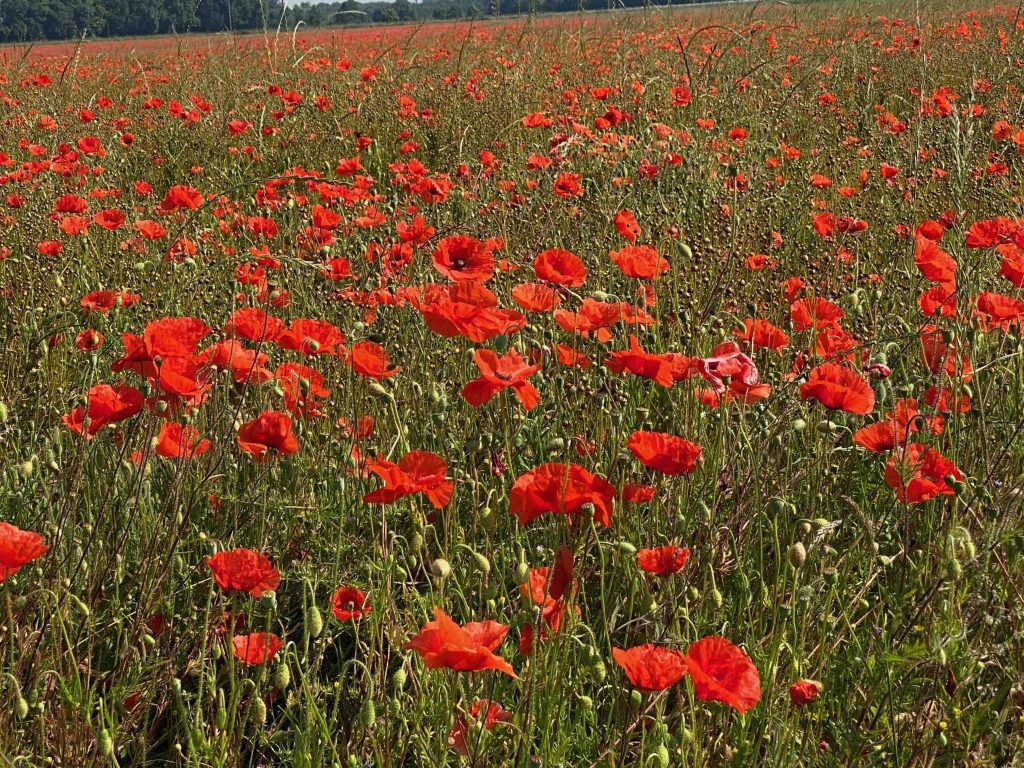
Poppy
General Info: Poppy seeds are edible and can be grown in the UK. They are used in baking, such as in bread and cakes. Poppy plants require well-drained soil and a sunny location.
Nutritional Value: Poppy seeds provide approximately 525 calories per 100 grams. They are rich in healthy fats (42g), protein (18g), and contain dietary fibre (20g), as well as minerals like calcium, iron, and magnesium.
Coriander (Cilantro)
I grow a lot of coriander and sow some most weeks of the year for use as a leaf crop. It’s much more flavour packed when grown at home. But I rarely have any go to seed .. so rarely harvest my own seed. But it is possible and not difficult to grow,
General Info: Coriander seeds are edible and can be grown in the UK. They are used as a spice in cooking and baking. Coriander plants require well-drained soil and a sunny location. The more sun they get the more flavour develops.
Nutritional Value: Coriander seeds offer around 298 calories per 100 grams. They are high in protein (12g), dietary fibre (41g), and contain vitamins C and K, as well as minerals like calcium, iron, and magnesium.
Fennel
I use a lot of fennel seeds in cooking but have never grown it for seed.
General Info: Fennel seeds are edible and can be grown in the UK. They are used as a spice and in herbal teas. Fennel plants require well-drained soil and a sunny location.
Nutritional Value: Fennel seeds provide about 345 calories per 100 grams. They are high in protein (16g), dietary fibre (39g), and contain vitamins C and A, as well as minerals like calcium, iron, and magnesium.
Caraway
General Info: Caraway seeds are edible and can be grown in the UK. They are used in baking, such as in rye bread, and as a spice. Caraway plants require well-drained soil and a sunny location.
Nutritional Value: Caraway seeds offer around 333 calories per 100 grams. They are high in protein (20g), dietary fibre (38g), and contain vitamins C and A, as well as minerals like calcium, iron, and magnesium.
Nigella (Black Cumin)
General Info: Nigella seeds are edible and can be grown in the UK. They are used as a spice in cooking and baking. Nigella plants require well-drained soil and a sunny location.
Nutritional Value: Nigella seeds provide approximately 345 calories per 100 grams. They are rich in healthy fats (15g), protein (16g), and contain dietary fibre (11g), as well as minerals like calcium, iron, and magnesium.
Sesame
General Info: Sesame seeds are edible and can be grown in the UK, although they require a long growing season and warm conditions. They are used in baking, cooking, and for oil.
Nutritional Value: Sesame seeds offer around 573 calories per 100 grams. They are high in healthy fats (50g), protein (18g), and contain dietary fibre (12g), as well as minerals like calcium, iron, and magnesium.
Fenugreek
General Info: Fenugreek seeds are edible and can be grown in the UK. They are used as a spice and in herbal medicine. Fenugreek plants require well-drained soil and a sunny location.
Nutritional Value: Fenugreek seeds provide about 323 calories per 100 grams. They are high in protein (23g), dietary fibre (25g), and contain vitamins A and C, as well as minerals like calcium, iron, and magnesium.
Cumin
General Info: Cumin seeds are edible and can be grown in the UK. They are used as a spice in cooking. Cumin plants require well-drained soil and a sunny location.
Nutritional Value: Cumin seeds offer around 375 calories per 100 grams. They are high in protein (18g), dietary fibre (11g), and contain vitamins A and C, as well as minerals like calcium, iron, and magnesium.
Anise
General Info: Anise seeds are edible and can be grown in the UK. They are used as a spice and in herbal teas. Anise plants require well-drained soil and a sunny location.
Nutritional Value: Anise seeds provide approximately 337 calories per 100 grams. They are high in protein (18g), dietary fibre (15g), and contain vitamins A and C, as well as minerals like calcium, iron, and magnesium.
Please note, wherever I have said the seed can be grown but requires a sunny location this can be read as shorthand for “it’s not so easy to grow unless the conditions are ideal!”