GMOs, Genetically Modified Organisms, Are Sometimes Confused With Hybrids. But They Are Totally Different. GMOs Are Produced In The Lab & Hybrids Occur Naturally. I Explain More Below.
Table of Contents
The is no doubt that GMOs a like Marmite. You love them or hate them. But What Are GMOs? How are GMOs produced? Why do people hate GMOs? Why are GMOs banned in Europe? Why Are GMOs confused with hybrids? And what are hybrids?
This article explains GMOs (aka transgenic crops) and hybrids and there’s a GMO video at the end.
What Are GMOs?
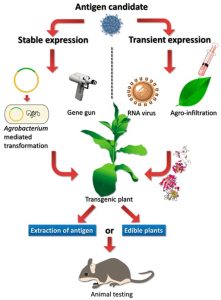
That’s an easy one. GMOs are genetically modified organisms that have had their DNA changed in a non natural way. This is commonly done in crops to improve traits such a yield, flavour, frost hardiness etc. The process involves precise genetic engineering methods to introduce specific genes into plants, creating new varieties with desired characteristics that have sometimes been derived from other organisms.
There’s a list of GMO key points and video towards the end of this article if you want to skip the technical stuff.
GMO Examples
Now for the science bit with lots of background research links. Skip the next few sections if you aren’t into science.
Bt Corn (Maize)
In this case corn has been modified by adding a gene that will kill caterpillars. The Bt gene is taken from the Bacillus thuringiensis (Bt) (which we can buy as a spray constituent to protect from caterpillars) and, in the lab, is inserted in to the corn’s DNA (Chegg). The inserted gene allows the plant to produce a protein that is toxic to specific insect pests but is allegedely safe for human consumption. (Fda) This modification provides the corn with built-in protection against pests like the European corn borer (which is actually a pest in the USA), reducing the need for chemical pesticides. (Fda)
Herbicide-Tolerant Soybeans
GMO soybeans have been genetically modified so they can be sprayed with glyphosate, a broad-spectrum herbicide. (Healthline). This allows farmers to kill all the vegetation in a field =except the GMO soyabeans. (Bu) This GMO trait simplifies weed management and can increase crop yield. (Studysmarter). But the downside is farmers have to buy both the soybeans and glyphosate from an international corporation at their price! Plus the destruction of all weeds means there is nothing for wildlife, including non harmful insects to live on. And without insects their predators, such as songbirds, also die.
The glyphosate tolerant gene was initially isolated from a strain of Agrobacterium sp. (Nature) CP4, a soil bacterium that naturally possessed an enzyme with reduced affinity for glyphosate, allowing it to survive in the presence of the herbicide. (Nature). Some would point out the irony of a soil bacterium’s gene being used to reduce biodiversity when it is the biodiversity of soil that has given us the gene!
Antifreeze Gene from Arctic Flounder in Tomatoes and Strawberries
This is the example that has yet to go commercial but started the discussion on the ethics of GMO practices.
It started with the idea of transferring a gene from the Artic flounder (Pseudopleuronectes americanus) into tomatoes and strawberries. (Nature). This fish makes an antifreeze in its blood to help it survive the freezing water and the sea was to make tomatoes and strawberries able to cope with the cold.
The idea was to enhance the cold tolerance of these plants, potentially allowing them to resist frost and freezing temperatures better than their non-GMO counterparts. Its aim was to reduce crop losses due to unexpected frosts, thereby increasing yield and extending the growing season in colder climates. (Nature). If they had asked a tomato grower they would have said don’t bother … at least this retired commercial grower would have. It’s not enough to survive frosts in the autumn. The plants growth is also restricted by a lack of light and warmth.
What’s The Difference Between GMO and Hybridisation?
GMO and hybridisation are methods of genetic modification of plants and animals. But GMOs involve inserting genes from other species (see above), while animal hybridisation involves crossing plants of a different species to create offspring. See plant hybridisation below.
Species is the important word here. Equally as important is the need to successfully breed. For example male donkeys and female horses can mate and produce viable offspring. The result is a mule. It is infertile.
Infertility is the norm when species hybridise. But there are exceptions as I mention below.
The definition of a species is often defined as the largest group of organisms in which any two individuals of the appropriate sexes or mating types can produce fertile offspring, typically by sexual reproduction.
Can Hybrids Breed?
Rarely. But there are exceptions and the result can be a new species.
Hybrid speciation can be broadly defined as the hybridisation between two or more distinct lineages that contributes to the origin of a new species. More specifically, hybridisation must result in a hybrid population that is at least partially reproductively isolated from the parental species. This isn’t the way most new species evolve. More on that in another article.
Plant Hybridisation
Plant hybridisation is significantly more common than animal hybridisation. Many cultivated crops are hybrids, with notable examples being polyploid wheats. Polyploid wheats possess multiple sets of chromosomes (tetraploid with four, hexaploid with six) compared to the usual two sets (diploid) found in most eukaryotes. It is believed that these polyploid wheats originated from hybridisation events followed by chromosome doubling, which effectively isolated the new hybrid from its parent species.
In some cases wheat hybridisation would have been a natural event and sometimes would have been induced by humans.
The Simple Guide TO GMOs
The GMO community point out the following. I do not concur with all their claims and provide them for balance.
- GM crops have been around for almost 30 years with no credible adverse effects shown.
- Traditional breeding methods are limited in their ability to transfer genes between species, take a long time, and lack control over the number of genes introduced.
- Genetic engineering allows for precise gene transfer between different species, resulting in more efficient and quicker crop improvement.
- Bt corn exemplifies how GM crops can reduce pesticide use by producing insecticidal proteins, benefiting both farmers and the environment.
- The concerns surrounding GM crops extend beyond health and environmental impacts to questions of food control, social implications, and economic implications in the agricultural industry.
What Are GMOs: The Video
GM crops are grown on nearly 185 million hectares in 26 countries, including 19 developing countries. That’s roughly 12% of the global cropland. Crops include GM soybean, corn, cotton, alfalfa, canola, apples, papaya, potatoes, summer squash, sugar beet, and pineapple.
I can see some merit in GMO crops but I also see great dangers. Crop development in the past was a natural process, albeit speeded up by mankind. But GMO transgenic crops, like hybrids, aren’t natural. Hybrids, mainly being infertile soon die out unless regenerated through the original species each time. But GMO are fertile and can cross with other of their species as well as potentially other species. Wha might that result be?
Watch the video and draw your own conclusions.
Image attribution: Mahmood, N.; Nasir, S.B.; Hefferon, K., CC BY 4.0 https://creativecommons.org/licenses/by/4.0, via Wikimedia Commons
Join My Gardening Groups …. Or Buy My Books
Gardening Advice
To join the How to Dig For Victory Facebook group follow the link.
And here is the link to UK Garden Flowers, Trees, Shrubs & More
And Allotment Life For Beginners
You can also find me on Substack StefanDrewe.substack.com
Patreon
Help keep this website free from advertisements by supporting me on Patreon.
Free and subscription options available with informative infographic downloads as a thank you.
Gardening Books
Find your next favourite read without the guesswork.
I have hand-picked the best titles to save you time, or you can browse millions of other books in the full collection.
Prefer to read my own writing? You can purchase my original books directly on Amazon.
#BiteSizedGardening #Gardening #Vegetables #veg #fruitandveg #allotment #biointensive
