How to Cook Foraged Foods without Dying – Book Review
How To Cook Foraged Foods Without Dying By Nevin Martell Focuses on Foraging & Cookery
With practical plant identification advice and 100 recipes featuring wild edible plants and mushrooms, this book offers plenty of inspiration for those of us that both garden and cook.
I am reviewing this book as a gardener who loves to cook. But before I review the book in depth let’s start by putting it in to context.
Long before the Tudors brought potatoes and tomatoes to Europe, and before carrots became orange, most of us ate what today we call weeds.
Until a few hundred years ago, people depended heavily on plants growing in the countryside — in hedgerows, woods, open fields, moors and wild places. And they had to learn How to Cook Foraged Foods without Dying.
Today food insecurity is making many gardeners rethink what they grow. But how many consider harvesting and eating the weeds growing amongst their prized veg?
In How to Cook Foraged Foods without Dying, Nevin Martell considers the wide range of wild edibles available to us all. Some gardeners call them weeds. But many of us know they are delicious plants that were there long before today’s modern veg. These are mainly plants you and I have in our gardens and allotments, or wi find in nearby countryside.
A Book for All Seasons
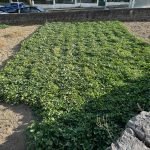
This is a book that suits my gardening style, where to keep my crops healthy I harvest the “weeds” that grow between the rows. Like the author I don’t see them as weeds, they are just more plants to harvest. For me, a weed is just a plant that I’ve yet to find a recipe for!
And that is how Nevin Martell has approached this book. Martell appreciates the plants around him.
His love of plants shines through. From the moment I picked it up, this was a book that enthralled me. It is a book that bridges from a standard ID book to a cook book with the finished culinary delight on a plate. Martell himself describes it as a cook book, but for me it is much more.
Why?
Simple. Because he starts by stressing plant ID and how to avoid dying!
But then he quickly gets down to giving the reader an introduction to each plant, the always necessary plant ID features and then gets down to harvesting, processing and cooking. There are five sections. Herbs, spices and seasonings; greens and veg; nuts and seeds; mushrooms; and finally fruits. But that isn’t the first thing that will strike the reader as they quickly flick through the pages before reading it from end to end. The first thing that caught my attention was the photography.
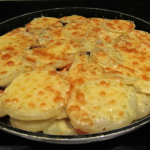
My response to the photos was almost Pavlovian, I started to salivate and imagine eating these wonderful dishes. And because so many of the plants in this book are found across the globe the recipes are also drawn from the four corners of the world. Imagine photos of mint chocolate chip cookies or wild asparagus sandwich with egg and crispy prosciutto breakfast sandwich. Or how about some Eastern promise? I’m thinking of the Middle East and the use of za’atar, a wonderfully aromatic herb and spice blend that often includes sumac. It can be used in everything from chicken to eggs and bread.
Don’t despair thinking it is all exotics though. One of the pages that caught my eye was about the humble dandelion. There are several ways to eat it and Nevin Martell has a few ideas worth considering .. from drinks to dips!
A Slight Hesitation?
Nevin Martell is an American and writes in that context. In the UK several of the plants he features are unlikely to be found outside of an arboretum. But there are so few that, on balance, I don’t see this as a problem. I still found it a book that will now sit on my bookshelf (or on my Kindle) and be frequently referred to as I look for culinary inspiration or cook.
Who Should Buy This Book — And Who Shouldn’t?
This is a book for gardeners, foragers and cooks. In fact I would go further and recommend it to my chef friends.
But if you dislike cooking then maybe give it a miss as one of the books main strength are the collection of 100+ recipes that will excite the British gardeners and cooks I know.
PS. It would make a great Christmas present for gardeners and cooks!
Foraging, Gardening Or Cooking?
So is this a foraging, gardening or cookery book? We could argue about this for a while and never agree. For me it is about the “weeds” I find in my garden and local countryside. For others it will be about foraging. And we mustn’t forget the chefs among us. It is also a cookery book full of wonderful recipes.
The reality is that for me it is really about all of these things. And it fits each niche to perfection.
But don’t take my word for it.
Check the price and availability of How to Cook Foraged Foods Without Dying. Click the image below to discover more …
NB This is an affiliate link. If you buy I may get a small commission, but at no extra cost to you