The BiteSizedGardening Introduction to Gardening Course
An Online Course for UK Gardeners.
Table of Contents
Here Is A First Draft At A Basic Intro To Veg Gardening Course. It Covers The Majority Of Questions I See Asked On Gardening Forums Every Year But I’d Welcome Comments From New And Established Gardeners On The Content, Bearing In Mind It Is To Help New Gardeners, Not To Put Them Off With A Course That Is Too Lengthy And Complicated.
Gardening in the soil, as practiced in cottage gardens, allotments, market gardens and small holdings for years
Please add your comments in the Comments section below.
Module 1: Introduction to the World of Gardening (Estimated Time: 1-2 hours)
What is Gardening?
Exploring different types of gardening (vegetable, flower, herb, container, indoor, greenhouse, polytunnel, raised beds).
Benefits of gardening (physical activity, mental well-being, fresh produce, connecting with nature).
Understanding basic plant needs: light, water, air, nutrients, and support.
Getting to Know Your Space (Considering the UK Climate):
Assessing your available space (balcony, patio, garden, windowsill, potential for greenhouse, polytunnel, or raised beds).
Considering sunlight exposure (full sun, partial shade, full shade (noting the variability of sunlight in the UK), and how structures like greenhouses and polytunnels can affect this).
Evaluating soil type (sandy, silty, clay, loamy – simple soil testing, keeping in mind the range of soil types across the UK, and how raised beds offer an alternative).
Thinking about water access (and the regional variations in rainfall across the UK, considering watering needs in protected environments like greenhouses and polytunnels).
Basic Tools and Equipment:
Introduction to essential hand tools (trowel, hand fork, pruners, watering can).
Optional but helpful tools (gloves, spade, rake, hoe).
Understanding the importance of tool care (especially in a climate with potential for dampness).
Introduction to Protective Gardening:
Brief overview of fleeces, greenhouses, and polytunnels and their benefits in extending the growing season and protecting plants.
Mention of weed suppressants (both organic and synthetic) and their role in garden management.
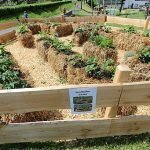
Introduction to raised beds as a method for improved drainage and soil control.
Choosing a new allotment: What to look for and the questions to ask.
Module 2: The Foundation – Soil and Planting (Estimated Time: 2-3 hours, spread over a few days)
Understanding Soil:
The composition of healthy soil (inorganic minerals, organic matter, soil microorganisms, water, air).
Importance of soil health for plant growth (both in the open ground and in raised beds or containers within greenhouses/polytunnels).
Simple ways to improve soil (adding compost, which is beneficial in the UK for both moisture retention in lighter soils and drainage in heavier ones, and as a key component in raised bed mixes).
Introduction to pH (acidic, neutral, alkaline – a basic explanation, noting the varying pH levels across the UK, and the ability to control pH more easily in raised beds and containers).
Traditional Dig vs. No-Dig Gardening (Considering Raised Beds):
Raised Beds: Often utilise a no-dig approach after the initial construction and filling. The focus is on adding organic matter to the surface. Initial soil preparation for the base (if any) might involve digging. Cost and practicality.
Choosing a Method in the UK: Consider your soil type, physical ability, and long-term gardening goals, as well as whether you are gardening directly in the ground or using raised beds.
Starting with Seeds (Including Greenhouse/Polytunnel Considerations):
Advantages of starting from seed (and the potential for starting even earlier indoors or in a greenhouse/polytunnel to get a significant head start in the UK).
Understanding seed packets (information on planting depth, spacing, timing – paying attention to last frost dates in your specific region of the UK, and adjusting sowing times for protected environments).
Basic seed starting indoors or in a greenhouse/polytunnel (containers, seed starting mix, watering, light – considering the often warmer and brighter conditions inside protected structures).
Direct sowing outdoors or in raised beds (preparing the soil – using either digging or no-dig methods – planting depth and spacing, being mindful of potential slugs and snails, and the potential for earlier sowing in warmer raised beds).
Working with Transplants (Including Greenhouse/Polytunnel Considerations):
Advantages of using transplants (especially for plants that need a longer growing season in the UK, and those destined for greenhouses/polytunnels).
Selecting healthy transplants at a garden centre.
Preparing the planting hole (again, using either digging or no-dig methods, or preparing the planting space in a raised bed or container).
Gently removing the plant from its container.
Planting depth and spacing for transplants (considering the potentially higher planting densities achievable in well-managed raised beds and protected environments).
Watering after planting (important in establishing roots, and managing humidity levels in greenhouses/polytunnels).
Module 3: The Essentials – Watering and Feeding (Estimated Time: Ongoing)
The Importance of Water (Considering the UK’s Variable Rainfall and Protected Environments):
Understanding how plants use water.
Different watering techniques (hand watering, soaker hoses, drip irrigation – particularly useful in raised beds, greenhouses, and polytunnels).
Knowing when and how much to water (the “finger test” is still relevant, but be extra vigilant in greenhouses and polytunnels where temperatures can rise quickly, and in well-draining raised beds).
Avoiding overwatering and underwatering (overwatering can be a risk in poorly drained soils, especially in wetter parts of the UK, while underwatering is a risk in raised beds and protected structures).
Plant Nutrients:
Macronutrients (Nitrogen, Phosphorus, Potassium) and their roles.
Micronutrients (brief mention).
Understanding fertilizers (organic vs. synthetic, granular vs. liquid – liquid feeds are often used effectively in greenhouses and polytunnels).
When and how to fertilize (following product instructions, being mindful of potential runoff in rainy areas, and the potentially higher nutrient needs of plants grown intensively in raised beds and protected environments).
The benefits of organic matter (compost, manure) as a natural source of nutrients (and a key component of healthy soil in all gardening systems).
Module 4: Caring for Your Growing Plants (Estimated Time: Ongoing)
Weeding (Managing Weeds in Different Systems):
Identifying common garden weeds (which thrive in the UK climate).
The importance of regular weeding to prevent competition (including in raised beds, greenhouses, and polytunnels where different strategies might be employed).
Different weeding methods (hand pulling, hoeing – being careful not to disturb the soil too much in a no-dig system or the structure of raised beds).
Weed Suppressants: Introduction to different types of weed suppressants (mulches – organic and plastic – and chemical weed killers), their uses, and considerations for their environmental impact and suitability for different gardening systems.
Pest and Disease Basics (Common Issues in the UK and Protected Environments):
Common garden pests (aphids, slugs, snails – which can be prevalent in the UK, caterpillars, whitefly, and specific pests that thrive in greenhouses/polytunnels like red spider mite).
Common plant diseases (fungal diseases can be more common in humid conditions, blight, and specific diseases favored by greenhouse/polytunnel environments).
Introduction to organic pest and disease control methods (handpicking, companion planting, neem oil – if discussed, encouraging good air circulation, especially in greenhouses/polytunnels, and considering biological controls).
The importance of observation.
Supporting Plants (Especially in Exposed or Windy Areas of the UK and within Greenhouses/Polytunnels for vertical growing):
When and why plants need support (staking tomatoes, climbing plants, plants in exposed or windy locations, and utilizing vertical space efficiently in greenhouses/polytunnels).
Different types of plant supports (stakes, trellises, cages, string supports).
Using Fleeces:
Understanding the benefits of fleeces for protecting plants from frost, wind, and some pests.
Different types of fleeces and their uses.
When and how to apply fleeces.
Deadheading:
What deadheading is and why it’s beneficial for some plants (encouraging more blooms).
Module 5: Harvesting and Maximizing Your Yield – Eating All Plant Parts (Estimated Time: Varies depending on what’s grown)
Knowing When to Harvest (Considering the UK Growing Season and Protected Environments):
Signs of ripeness for common vegetables, fruits, and herbs (if applicable to your interests, being aware of the typical growing seasons in the UK, and how greenhouses/polytunnels can extend these seasons).
Gentle harvesting techniques to avoid damaging the plant for potential future harvests.
Exploring Edible “By-Products” and Less Common Parts: (As previously described).
Basic Preservation (Optional):
Brief mention of simple preservation methods like freezing, drying, or making jams/chutneys (common practices in the UK) to utilise the full harvest, including produce from greenhouses, polytunnels, and raised beds.
Enjoying Your Harvest: The satisfaction of eating homegrown food and minimising waste by utilising more of each plant, potentially enjoying a longer and more diverse harvest thanks to protected growing and intensive methods like raised beds.