Vertical Green-Spaces With Bioreceptive Concrete & Mosscretes
Can Vertical Green-Spaces With Bioreceptive Concrete Change Urban Architecture and Gardening? Is Encouraging Green Growth On Concrete The Future.
Table of Contents
Going beyond writing just about edible plants I recently wrote about the work of Stefano Boeri and his work with vertical forests .. trees on buildings. That stimulated me to do more research on how architecture and gardening can overlap. The development of Bioreceptive Concrete was one topic I looked at.
What is BioReceptive Concrete?
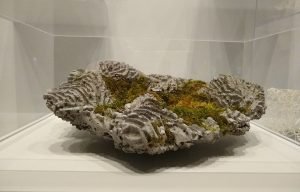
Bioreceptive Concrete is all about life. It takes recycled materials and mixes them with standards materials to produce a hyper-porous product that is both structurally sound and holds water like a sponge. It is the substrate on which many species can grow. The concrete often comprises 90% recycled material as well as nutrients for the plants that it supports.
Beyond biodiversity, nature in cities can also help to mitigate air pollution, overheating and flooding as well as improve psychological wellbeing. Concrete can support plant and animal life in surprising and often beautiful ways. Researchers are using it as durable substrate, robust shelter, even a source of nutrients for many different creatures from the smallest to the most useful to the most endangered.
My research finally led me to a chat with my colleague Jack Crathern. Jack is co-founder of Swell Architecture in Sidmouth and I know him as both a friend and an award winning creative architect who has an excellent knowledge of new methods and ideas.
Here is what Jack told me.
“As cities grow, the need for sustainable architecture becomes more urgent. One exciting development in this area is bioreceptive concrete, a material that encourages plant growth directly on building surfaces.
Unlike traditional concrete, which is impermeable, bioreceptive concrete supports vegetation like moss and small plants by providing a porous surface and retaining moisture. This not only improves the building’s aesthetics but also contributes to environmental sustainability. In dense urban areas, space for greenery is limited. Bioreceptive concrete helps solve this by allowing plants to flourish on facades, balconies, and rooftops—perfect for residential spaces. The benefits include: Air Quality Improvement: Plants absorb CO2 and pollutants, improving urban air quality. Thermal Regulation: Green surfaces help keep buildings cooler in summer and warmer in winter, reducing energy use. Surface Water Management: These materials absorb rainwater, reducing the risk of flooding. Acoustic Reduction: Plants act as sound barriers, creating quieter environments.
They are also invigorating, inspiring and morale boosting to look at as apposed to a flat grey harsh concrete facade.
Bioreceptive concrete can be used in residential dwellings in several ways:
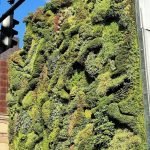
Green Facades: Applied to exterior walls, it supports vegetation such as moss, lichen or even small plants like ivy, improving air quality and insulation. Balconies & Terraces: Used to create green spaces, it reduces energy use and adds aesthetic value. Vertical Gardens: Installed inside or outside, it purifies the air and acts as a acoustic barrier. Green Roofs: Applied on rooftops, it enhances insulation, manages stormwater, and creates a relaxing space. Garden Walls: Perfect for small yards, they encourage plant growth and help with water absorption. Pathways: Used in walkways or courtyards, it absorbs rainwater and adds greenery to outdoor areas.
Architect Stefano Boeri is a key figure in green architecture, known for his Vertical Forests—buildings with entire ecosystems integrated into their design. His projects, like the Bosco Verticale in Milan, feature trees and plants growing on balconies and facades. Bioreceptive concrete complements these designs by offering a simpler, cost-effective way to incorporate greenery into urban environments. In cities like Milan and Nanjing, this approach is spreading, turning residential buildings into green havens.
Bioreceptive concrete is an exciting step toward greener, more sustainable cities. As technology improves, we’ll likely see more residential buildings using this material, creating environments where people and nature thrive together. This shift, alongside visionary architecture like Boeri’s Vertical Forests, offers a glimpse into a future where urban spaces are not only functional but ecologically balanced.”
What is Mosscrete?
Bioreceptive Concrete is being offered by number of commercial companies. One is Gorespyre who have an interesting website, but there are many others