I’m Frequently Asked About Using Permaculture In UK Gardens & Allotments. To Do So We Have To Adopt A Mindset .. & Much More. It Is A Way To Garden With Nature.
Table of Contents
The person to really ask , about using permaculture?, is Geoff Lawton, the man generally regarded to be the father of permaculture. Geoff lives in northern New South Wales, so his examples are often relevant to his environment. But the concept is global. And in this article I’m going to attempt to paraphrase his words to explain the nature and ethos of permaculture.
Growing guides on a range of topics are available on this site
Permaculture is a garden design system that mimics nature to create sustainable and productive environments. It’s a practical philosophy of working with nature rather than against it. By understanding natural systems, we can design gardens that are not only productive but also environmentally friendly and resilient. But it goes beyond the basic concept of being a gardening system. It is a growing system that is applicable wherever we wish to grow plants. It is far removed from the monoculture that produces most of the crops we eat today. But, agriculture is moving towards the permaculture ethos. It is only taking small steps so far and I can’t imagine how it will be able to fully embrace permaculture fully with existing technology. But regenerative agriculture, min-til farming etc are heading towards permaculture. And they don’t need to fully embrace permaculture as by definition they are not permaculture. They can however embrace some aspects of permaculture. In a future article I’ll explore how traditional agriculture, regenerative agriculture, food forestry, syntropic agriculture and other systems are actually subsets of permaculture and never can embrace all the permaculture concepts.
In the next section I’ll deal with the key principles of permaculture as described by Geoff Lawton in some of his videos. Then I’ll go deeper into each one of them and explain how we might adopt them in gardens and allotments.
Key Principles of Permaculture
Observe and Interact: Spend time observing your garden and the natural world around you. Understand the patterns, cycles, and relationships between plants, animals, and the environment.
Catch and Store Energy: Harness natural energy sources like sunlight, wind, and water. Use techniques like rainwater harvesting, composting, and mulching to conserve and store energy.
Obtain a Yield: Produce food, energy, and other resources from your garden. This can be anything from growing vegetables to raising chickens.
Apply Self-Regulation and Self-Discipline: Be conscious of your consumption and waste. Practice moderation and choose sustainable practices wherever possible.
Use and Value Renewable Resources and Services: Prioritise renewable resources like home produced seed, rainwater harvesting, solar energy and wind power. Utilise natural pest control methods and beneficial insects.
How to Apply Permaculture Principles in Your UK Garden .. The Reality
Observe your Plot: Whether you are going to grow in a window box in England, or on a million acre spread in Australia, the first thing to do is assess what you have. Let’s consider a garden or allotment post as an example as that is what most readers will have. Start by standing back and observing it.
Is the land steep? If it is over 18 degrees then beware erosion. More perennials, cover crops or interplanting might be an answer. Certainly exposing the bare soil to seasonal rains is potentially problematic. You need to keep the soil covered with plants as much as possible. But I would also suggest that permaculture almost demands that whatever the slope. It is just a lot more important on steeper land.
What direction does it face? Will it get the early morning sun? Or the sun later in the day. North facing slopes may not get any direct sunshine for months each year, if ever. That will reduce plant growth.
What “weeds” or other plants are growing on it or nearby? These plants are like a guidebook. They indicate what the soil is like and which plants will do well there. Each plant is an indicator of sorts, for pH, soil type, water etc. And though I’m reluctant to be guided by a single plant species, in aggregate they tell us wha tis under our feet, without even digging a single spit of ground. Digging a few spits of soil will confirm your suspicions. Farmers get an even better picture when they plough. The plough inverts every square inch of sol and its easy for the ploughman to observe how in one corner it is sandy, how the remnants of a hedge or wood have left its mark in another place and where the soil is stonier. This reinforces what the plants told us!
Is there natural water? When I first looked for land to buy I wanted the Holy Grail, a south facing slope of good loam and running water. Few of us find this but we can dream. But with water we can divert it to irrigate the land, we can store it for summer irrigation, we can use it to run a waterwheel that can pump water or generate electricity. Water is a motive force that is worth its weight in gold.
Does it need draining? Indeed, can it be drained? Or is flooding during winter inevitable? How will you modify your cropping to cope with drainage issues.
What is the soil type and depth? For example, do you have a deep loam or a clay soil. How deep is the top soil? How does this affect the drainage previously discussed. Soil type and drainage often go together.
What is under the top soil? You might have a chalk, sand, silt or clay soil, but what is under it. Is it solid rock .. not unusual in my county in places such as Dartmoor or Exmoor. Or perhaps you have clay? If its clay is it just a shallow band over something better draining or does it go down hundreds of feet? Read more about improving drainage in clay soils here.
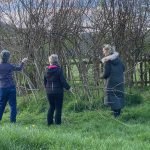
What natural assets do you have? A gentle south facing slope is wonderful. enough of a slope that the water runs downhill (probably into a swale) but not so steep as to be subject to erosion. Do you have water on site? Maybe a stream or a natural spring. Water isn’t always essential, in fact I prefer to do without having to water if I can. But having adequate water is a great natural asset that gives you the flexibility to do as you wish. Do you have trees for wood, understory hazel for pea and bean sticks and hedges to ward off the fiercest of winds? All are great assets.
Design with Nature: Plan your garden layout to mimic natural ecosystems. Group plants with similar needs and create layers of vegetation to maximise space and resources.
I’ve described the seven layers of a food forest elsewhere. You don’t need all those on all sites, but being ware of them allows you to work with nature much of the time.
If you have a slope then polytunnels might well benefit from running up and down the slope to encourage natural ventilation.
Collect energy and conserve it. The ways and means are almost infinite. From harvesting rainwater to harvesting organic matter and turning it into compost. Best of all allow you plants to harvest sunlight. Sunlight is free and absolutely essential for plant growth. It amazes me how often people shade plants thinking they will get sunburnt. Sunburn isn’t impossible in special cases but is not the norm. So when you see online posts about plants such as lettuce needing to be shaded then just remember that this might apply in equatorial regions but the sun is much weaker in Northern Europe. In my years as a market gardener I grew lettuce by the millions and never once saw sunburnt lettuce!
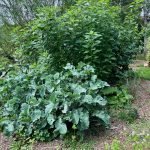
Create a Food Forest: Plant a diverse range of fruit trees, shrubs, and perennial vegetables. This will provide year-round food and create a self-sustaining ecosystem. In an allotment situation this might seem strange advice. Indeed some allotment rules will have rules that prevent you turning your whole plot into a food forest. So don’t even contemplate it. BUT .. you could plant a mini food forest with a few additional perennials around a fruit tree. For example a few blackcurrants and gooseberries around an apple tree would work well. And you could add some rhubarb or other perennial plants and .. hey you have the beginnings of a food forest. It’ll be much less work than annuals, but still provide a huge amount of produce to harvest over a long season.
Practice Water Wise Gardening: Implement water-saving techniques like mulching, rainwater harvesting, and drought-tolerant plants where possible.
Encourage Biodiversity: Create habitats for beneficial insects, birds, and other wildlife. Plant native plants and avoid using synthetic pesticides. Your mini food forest will help with this. You could also build a beetle bank to encourage the beetles that will prey on slugs, carrot root fly and a host of other undesirables that twill devour your veg.
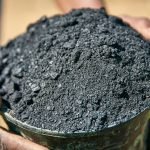
Reduce Waste: Compost kitchen scraps and garden waste to enrich your soil. Eliminate plastic use and choose sustainable packaging.
For many of us this is a tall order and only possible if we do it little by little. So make a start wherever suits you best and just keep applying more principles as time goes on. The great thing is you probably already do a few of these things. Most gardeners have compost heap and save water and /or mulch, so have already started dow the permaculture road. The thing is that by incorporating these permaculture principles into your gardening practices, you can create a more sustainable, resilient, and productive garden.





What are the benefits of using permaculture techniques in managing a garden or small farm?
I’m writing a separate article on that topic.